


A Kanadába irányuló szállítás magában foglalja a kereskedelmi áruk, háztartási cikkek, bútorok és személyes tárgyak nemzetközi fuvarozását tengeri, légi és multimodális logisztikai hálózatokon keresztül. Függetlenül attól, hogy a vállalkozások exportálnak termékeket, vagy magánszemélyek költöznek külföldre, a folyamat konténerszállítást, raklapos szállítást vagy gyűjtőfuvarozási megoldásokat igényel, teljes vámkezelési támogatással.
Kanada vámszabályai, behozatali vámjai és dokumentációs követelményei termékkategóriától és szállítmány típusától függően eltérőek. Tapasztalt szállítmányozási szolgáltatóval való együttműködés biztosítja, hogy az áruk hatékonyan átjussanak a kanadai határőrszolgálaton, és a rendeltetési helyükre időben megérkezzenek.
Mit foglal magában a Kanadába történő szállítás?
A Kanadába történő szállítás a rakományok, háztartási cikkek és személyes tárgyak nemzetközi mozgását foglalja magában egy származási országból kanadai rendeltetési helyre. A folyamat a tengeri, légi és közúti hálózatokat használja, a rakomány méretétől, sürgősségétől és a költségvetéstől függően.
A Kanada felé irányuló nemzetközi szállítás általában egy közúti vagy vasúti szakaszt foglal magában a kilépő kikötőig, óceáni szállítást az Atlanti- vagy Csendes-óceánon keresztül, valamint végső kézbesítést teherautóval Kanadában. A vállalatok e-kereskedelmi teljesítés, ipari projektek és ellátási lánc feltöltése céljából szállítanak Kanadába.
Az egyének Kanadába is szállítanak költözés, külföldi tanulmányok és második otthon berendezése céljából. Minden Kanada felé irányuló szállítási művelethez megfelelő vámokmányokra, rakománybiztosításra és pontos szállítási címre van szükség kanadai területen.
Hogyan szálljunk Kanadába külföldről
A kanadai szállítás megtanulása a rakományprofil megfelelő szállítási módhoz illesztésével kezdődik. A tengeri szállítás alkalmas teljes konténerekhez és nehéz raklapokhoz, míg a légi szállítás az időben sürgős vagy nagy értékű szállítmányokhoz illik.
Az amerikai piacokról Kanadába irányuló szállítás általában közúton vagy vasúton történik a szárazföldi határon keresztül, és az USA-ból Kanadába irányuló szállítás jelenti a legnagyobb határokon átnyúló kereskedelmi útvonalat a világon. Az európai és ázsiai szállítmányozók óceáni konténereket használnak Halifax, Montreal, Toronto (a Szent Lőrinc-folyón keresztül) vagy Vancouver felé.
A tipikus folyamat négy szakaszból áll:
- Foglalás és átvétel: A feladó kapacitást foglal egy fuvarozó cégnél, és gondoskodik az elszállításról a feladó raktárából. Ettől a ponttól kezdődik az export vámkezelés.
- Fő utastér A konténer tengeren vagy légi úton utazik kanadai kikötőbe vagy repülőtérre. A tranzitidő Észak-Európából 10-14 nap, Kelet-Ázsiából pedig 25-35 nap.
- Kanadai vámkezelés: Az importőr vagy egy engedéllyel rendelkező vámügynök nyújtja be a CBSA-be a bejelentést és kifizeti a vámokat, valamint az áfát/HST-t a kiszabadítás előtt.
- Belföldi szállítás: Egy helyi fuvarozó elszállítja az árut a végső címre olyan tartományokban, mint Ontario, Quebec, Brit Kolumbia vagy Alberta.
Szállítás Kanadából az USA-ba és visszaszállítás
A kanadai és az Egyesült Államok közötti szállítás nagymértékben támaszkodik a közúti fuvarozásra a hosszú közös határon keresztül. Kamionos és kamionon túli kiszolgálási szolgáltatások olyan fő átkelőhelyeken keresztül haladnak át, mint Windsor, Fort Erie, Lacolle és Pacific Highway.
A visszatérő fuvarszervezés fontos a Kanadába importáló, és az Egyesült Államokbeli ügyfeleihez termékeket visszaszállító feladók számára. Az északi és déli irányú fuvarok párosítása csökkenti az üres futást és javítja az összesített szállítási költségeket.
Az amerikai piacra irányuló kanadai exportőrök is támaszkodnak a multimodális útvonalakra. A Kanadába irányuló óceáni behozatali áruk továbbra is belföldi fuvarokként kezelendők, majd az NAFTA helyébe lépő, CUSMA néven ismert szabályok szerint délre tartanak.
Mennyibe kerül a Kanadába történő szállítás?
A Kanada-ba történő szállítás költsége a térfogattól, a súlytól, a szállítási módtól és az origótól függ. A tengeri konténer szállítási árak széles skálán mozognak, és a Drewry World Container Index az elmúlt három évben 2000 és 8000 USD között alakult az Ázsia és Észak-Amerika keleti partja közötti szállítás esetében 40 lábas konténerenként.
A 40 lábas konténer Észak-Európából Kanadába történő szállításának költsége általában 2500 és 4500 USD között mozog, szezononként, fuvarozónként és úti kikötőnként változva. A gyűjtő vagy LCL (rövid konténer) szállítások ára köbméterre esik, és az árak általában 60 és 120 USD között mozognak köbméterenként az Európa-Kanada útvonalon.
A kis csomagok kanadai szállítási költsége a futárválasztástól függ. Egy 20 kg-os doboz Európából Torontóba 80-150 USD-ba kerülhet expressz futárral, míg ugyanez a doboz gyűjtőfuvarozással 30-60 USD-ra csökken hosszabb szállítási időkkel.
| Szállítási mód | Tipikus költségtartomány | Tranzitidő |
|---|---|---|
| 40 lábas konténer Európából | 2500-4500 USD | 10-14 nap |
| 20 lábas konténer Európából | 1,800 és 3,200 USD között | 10-14 nap |
| LCL gyűjtőszállítmány Európából | 60-120 USD köbméterenként | 15-25 nap |
| 20 kg-os csomag futárral | 80-150 USD | 3-7 nap |
| Légi áruszállítás kilogrammonként Európából | 3,5-6 USD | 2-5 nap |
A kanadai importvámok és az ÁFA a legtöbb fogyasztási cikk fuvarköltségéhez 5-20 százalékot adnak hozzá, ezért a teljes bekerülési költség számításainál már a kezdetektől fogva figyelembe kell venni a CBSA díjait.
Mi a legolcsóbb módja a Kanadába történő szállításnak?
Az olcsó szállítás Kanadába szinte mindig óceáni gyűjtőfuvarozást vagy teljes konténeres szállítmányozást használ nagy mennyiségek esetén. A tengeri szállítás kínálja a legalacsonyabb kilogrammonkénti költséget az interkontinentális útvonalakon.
Kisebb szállítmányok esetében a legolcsóbb kanadai szállítás általában a csomagok összevonását jelenti egy LCL-konténerbe más exportőrökkel. Az egyéni feladók pénzt takarítanak meg azzal, hogy bútorokat, háztartási cikkeket és dobozokat egyesítenek egyetlen gyűjtőszállítmányba.
Az időzítés is befolyásolja a költségeket. Az augusztus és október közötti csúcsszezon előtt történő foglalással elkerülhetőek a minden ősszel a transzatlanti és a csendes-óceáni útvonalakat sújtó árhullámok.
Mi a legjobb módja a Kanadába történő szállításnak?
A Kanadába történő szállítás legjobb módja a prioritástól függ. Tengeri szállítás nyer az árban a 2 köbméternél nagyobb mennyiségek esetében, a légi szállítás nyer a sebességben sürgős szállítmányok esetén, az országúti szállítás pedig az Egyesült Államokból Kanadába irányuló határ menti szállítmányok esetén.
A multimodális útvonaltervezés gyakran a legerősebb egyensúlyt biztosítja. Egy európai feladó használhat közúti szállítást egy kikötőbe, például Antwerpenbe vagy Hamburgba, majd tengeri szállítmányt Montrealba vagy Halifaxba, majd kanadai kamionos fuvarozást a végső célállomásra.
A teljes konténerrakományok (FCL) jobb ellenőrzést biztosítanak az átfutási idő és a rakománybiztonság tekintetében is. Az FCL szállítások nem állnak meg a konszolidációs raktárban, ami napokkal hosszabbá tenné az LCL szállításokat.
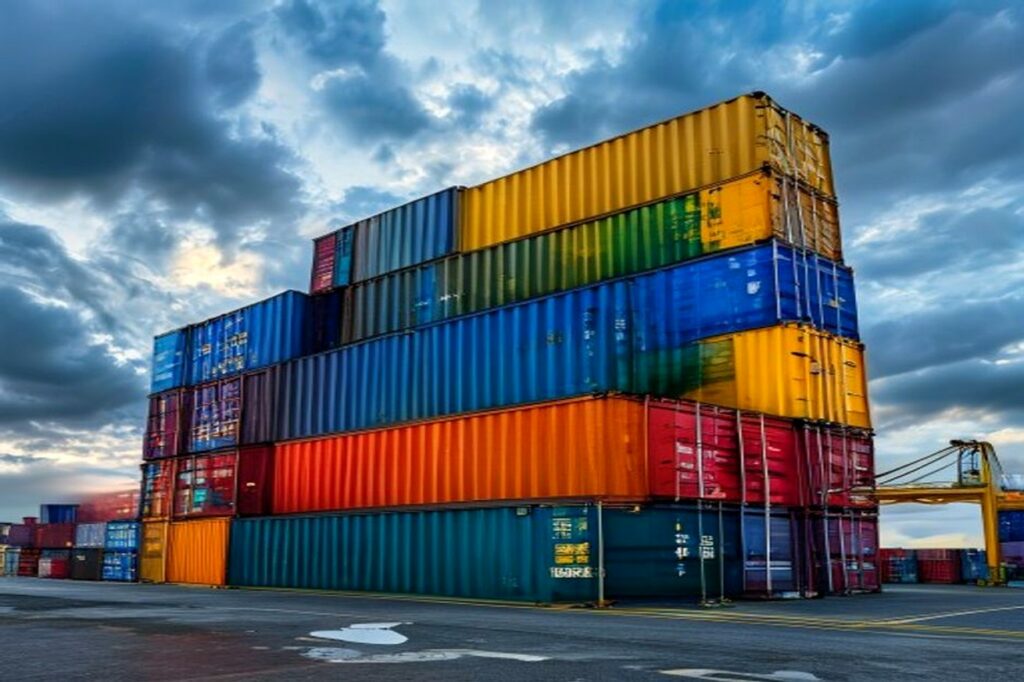
Szállítókonténer Kanadába és konténer opciók
A kanadai szállítási konténer szolgáltatások magukban foglalják a standard száraz konténereket, a magasított (high cube) konténereket, a hűtött (reefer) konténereket és a lapos (flat rack) konténereket. A konténer kiválasztása az áru méreteitől, a hőmérsékleti igényektől és a rakodási hatékonyságtól függ.
A kanadai konténerhajózás három fő eszköztípust használ:
- 20 láb standard konténer Körülbelül 28 köbméter rakományt képes elszállítani, és alkalmas költözésekhez, kisebb raklapos szállítmányokhoz és sűrű árukhoz, mint például géprészek. A súlyhatár általában 21-25 tonna hasznos teher.
- 40 láb standard konténer Körülbelül 58 köbméteres kapacitással rendelkezik, és a legtöbb teljes otthonköltözésre vagy kereskedelmi raklapterhelésre alkalmas. A hasznos teherbíró képessége megközelítőleg 26 tonna.
- 40 lábas magasító konténer 76 köbmétert biztosít a megnövelt magasságnak köszönhetően. A szállítmányozók terjedelmes, de könnyű rakományokhoz használják, mint például bútorok, textíliák vagy csomagolt fogyasztási cikkek.
A teljes konténer rakomány (FCL) exkluzív hozzáférést biztosít a feladónak a dobozhoz, míg a konténer rakomány (LCL) gyűjtőfuvarozásban helyet osztanak meg más rakományokkal. A kanadai dobozok LCL szállítása akkor működik jól, ha a teljes térfogat 15 köbméter alatt marad.
Szállítmányozás Kanadába és rakománytípusok
A Kanadába irányuló teherszállítás több kategóriába sorolható a termék típusa és a kezelési igények alapján. Az általános áruk szabványos konténerekben szállíthatók, míg a speciális áruk speciális berendezéseket igényelnek.
Az áruk Kanadába történő szállítása négy fő rakományprofilt foglal magában:
- Általános szárazárú: Elektronikai cikkek, textil, fogyasztási cikkek és ipari alkatrészek utaznak normál körülmények között standard konténerekben. Ez képviseli a Kanada felé irányuló kereskedelem túlnyomó részét.
- Hőmérséklet-szabályozott rakomány Az élelmiszerek, gyógyszerek és vegyi anyagok hűtött konténereket igényelnek, amelyek beállított hőmérséklete mínusz 25 és plusz 25 Celsius fok között mozog.
- Projekt és túlméretes áru Gépek, építőipari berendezések és túlméretezett egységek sík rakodólapokra vagy nyitott tetejű konténerekre kerülnek. Útvonal felmérések és engedélyek gyakran szükségesek.
- Veszélyes áruk: Az IMDG szabályozás alá tartozó rakományok különleges dokumentációt, jóváhagyott csomagolást és képzett kezelőszemélyzetet igényelnek.

Autó szállítása Kanadába és járműszállítás

Gépjármű-szállítás Kanadába: a műveletek RORO (roll-on roll-off) hajókat vagy zárt konténereket használnak. A RORO olcsóbb és általános megoldás a legtöbb személygépjármű esetében, míg a konténeres szállítás nagyobb biztonságot nyújt klasszikus vagy luxusautók számára.
Gépjármű Kanadába történő behozatalához teljesíteni kell a Transport Canada előírásait a Gépjárművek Importálóinak Nyilvántartása (RIV) program keretében. A járműnek meg kell felelnie a kanadai gépjárműbiztonsági előírásoknak, vagy kivételt kaphat 15 évnél régebbi járműként.
Egy autó Európából Kanadába történő tengeri szállítása általában 12-18 napot vesz igénybe. A RoRo szolgáltatás költsége 1500-3000 USD, ehhez jönnek a célállomási kezelési költségek, az RIV díjak és az esetleges vámtarifák és GST.
Bútorok és háztartási cikkek szállítása Kanadába
Bútorok kanadába szállítása és háztartási cikkek kanadába szállítása általában a személyes holmikra vonatkozó szabályok alá esik, amikor a tulajdonos lakóhelyet vált. A volt kanadai lakosok, akik visszatérnek Kanadába, és az új bevándorlók jogosultak lehetnek az használt háztartási cikkek vámmentes behozatalára.
Az ingóságok Kanadába történő szállítása tengeri konténeres szállítással a leghatékonyabb. Egy dedikált 20 lábas konténer egy két hálószobás lakás tartalmát foglalja magába, míg egy 40 lábas egység egy teljes családi házat fed le.
Személyes holmi Kanadába történő szállításához csomagolási leltár, nagy értékű tárgyak tulajdonjogának igazolása és a CBSA-nál benyújtott B4 űrlap szükséges. Profi csomagoló személyzet védi a törékeny tárgyakat, mint például tükrök, műalkotások és antik bútorok, a tengeri utazás során.
Szállítás Kínából Kanadába tengeren
A Kínából Kanadába irányuló szállítás főként a transzpacifikus óceáni útvonalon zajlik. A fő kiindulási kikötők közé tartozik Sanghaj, Ningbo, Sencsen és Csingtao, míg a kanadai érkezési pontok a vancouveri, prince ruperti és torontói vasúti csomópontokra koncentrálódnak.
Az óceáni szállítás Kínából Vancouverbe általában 14–20 napig tart. A Kelet-Kanadába tartó szállítmányok vagy vasúton, Vancouverből szárazföldön közlekednek, vagy a Panama-csatornán keresztül Montrealba 28–35 nap alatt.
A kínai exportőrök gyakran kombinálják a tengeri szállítást a kanadai konszolidációs szolgáltatásokkal. Egy szállítmányozó átveszi a konténert a kikötőben, kicsomagolja a rakományt, és megszervezi a belföldi kiszállítást a vevőknek az egész tartományokban.
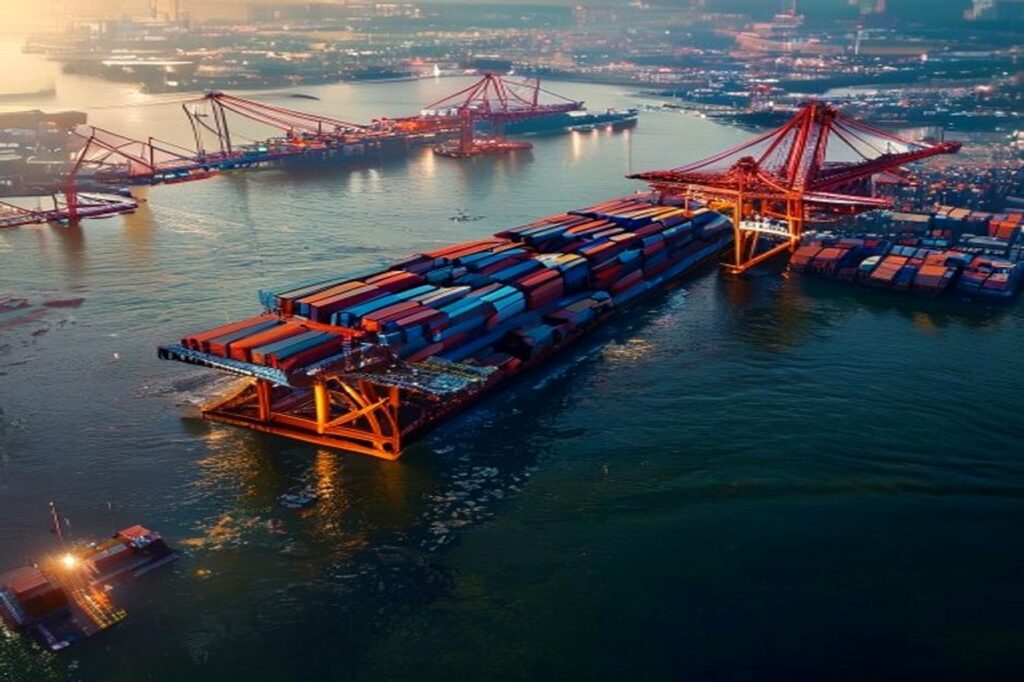
Vámkezelés és beviteli szabályok Kanadában

A Canada Border Services Agency (CBSA) ellenőrzi az összes Kanadába irányuló behozatalt. Minden szállítmányhoz helyes HS-kód besorolás, kereskedelmi számla és a CBSA elektronikus rendszerein keresztül benyújtott vámáru-nyilatkozat szükséges.
A behozatali vámok a vámtarifaszám (HS kód) és a származási ország alapján érvényesek. A szabadkereskedelmi megállapodásokkal rendelkező országokból származó áruk, mint például az EU (CETA keretében), az USA és Mexikó (CUSMA keretében) vagy az Egyesült Királyság (CUKTCA keretében), gyakran részesülnek kedvezményes vámtarifákban.
Az áruk többségére 5%-os általános forgalmi adó (GST) vonatkozik, és a tartományi értékesítési adók, mint például a QST vagy a HST, a rendeltetési tartománytól függően is alkalmazhatók lehetnek. Az alkohol, a dohánytermékek és a lőfegyverek további korlátozásokat és jövedéki adókat vonnak maguk után.
A korlátozott és tiltott behozatali cikkek közé tartozik az elefántcsont, bizonyos élelmiszertermékek, gyűlöletkeltő propaganda, egyes fegyverek és használt matracok. A kereskedelmi szállítmányozóknak a rakomány lefoglalása előtt ellenőrizniük kell a CBSA behozatali ellenőrzési listáját.
Szállítás Kanadába - Szolgáltatások az MSI-Trans-tól
Az MSI-Trans támogatja a Kanadába irányuló szállításokat multimodális logisztikával, amely összeköti az európai úthálózatot azokkal a tengeri partnerekkel, amelyek kanadai kikötőket szolgálnak ki. A több mint 4300 járműből álló flottával bonyolítják le az európai szakaszt Törökországon, az Egyesült Királyságon, Ausztrián és Magyarországon keresztül, majd a rakományt átadják a szerződött tengeri hajózási társaságoknak, amelyek Montréal, Halifax, Toronto és Vancouver felé tartanak.
- Európai kikötői előfuvarozás Az MSI-Trans teherautói Törökország és Európa egész területén gyűjtik be a rakományt gyárakból, raktárakból vagy beszállítóktól, és olyan nagy kikötőkbe szállítják őket, mint Hamburg, Antwerpen, Rotterdam és Felixstowe. A Törökország-Egyesült Királyság, Törökország-Ausztria és Törökország-Magyarország közötti folyosókon heti rendszeres indulások biztosítják a feladóknak a kiszámítható rakodási ablakokat.
- FCL és LCL opciók Mind a dedikált, teljes konténer rakományok, mind a konszolidált, kisebb, darabáru jellegű rakományok az MSI-Trans hálózatán keresztül haladnak. A vegyes mennyiséggel rendelkező feladók az európai oldalon használják ki az FTL és LCL kapacitást, és a felrakodási kikötőben lépnek át az FCL vagy LCL szolgáltatásba.
- Projekt és túlméretes áru Túlméretezett, kanadai bányászati, építkezési és energiaipari projektekre szánt áru szállításaDedikált nehézgépszállító szállítás felszerelés kísérő szolgáltatásokkal és engedélyeztetési koordinációval.
- Hőmérséklet-szabályozott árufuvarozás Élelmiszerek, gyógyszerek és más hőmérséklet-érzékeny áruk szállításakor nemzetközi hűtőellátási lánc logisztika protokollok érvényesített hűtőegységekkel és folyamatos hőmérséklet-ellenőrzéssel.
- Dokumentáció és vámügyintézés támogatása: Az MSI-Trans csapat elkészíti az exportnyilatkozatokat, CMR fuvarleveleket, kereskedelmi számlákat és csomagolási listákat. Az ügyfelek teljes körű dokumentációtámogatásban részesülnek a cég logisztikai szolgáltatások hálózat.
- Szállítási láthatóság Minden szállítmány GPS-követéssel utazik az európai szakaszon, teljes körű biztosítással és őrizeti lánc nyilvántartással. Az ügyfelek a felvételtől az óceáni szállításon át a kanadai rendeltetési helyig figyelemmel kísérik a rakomány állapotát.
Tudjon meg többet a vállalat működési standardjairól a miért használja az MSI-Trans oldalt. A kanadai szállítási árajánlatért kapcsolatba léphet az MSI-Trans műveleti csapatával még ma, megadva az indulási helyet, az áru részleteit, a kanadai rendeltetési várost és a kívánt szállítási időszakot.
Gyakran Ismételt Kérdések a Kanadába Történő Szállítással Kapcsolatban
Mennyibe kerül egy csomagot Kanadába küldeni?
Egy kis csomag Kanadába történő szállításának költsége futárral vagy konszolidált áruszállítással 30-150 USD között mozog, a súlytól és a szolgáltatás szintjétől függően. A nagyobb raklapokat vagy konténereket köbméterenként vagy konténerenként árazzák.
Szállítási konténer Canada költség
Egy 20 lábas konténer Európából Kanadába általában 1800-3200 USD között mozog, míg egy 40 lábas konténer 2500-4500 USD között. A díjak változnak a kikötőpárok, az évszak és a fuvarozói kapacitás függvényében.
Mi a legolcsóbb módja egy csomag Kanadába küldésének?
A csomag Kanadába való küldésének legolcsóbb módja általában a gyűjtő tengeri fuvarozás, LCL (részrakomány) szolgáltatás igénybevételével. A 20 kg alatti kisebb csomagok gazdaságos futárral utaznak olcsóbban, 7-14 napos szállítási idővel.
Mennyi ideig tart a nemzetközi szállítás Kanadába?
Nemzetközi szállítás Kanadába tengeren 10-14 napot vesz igénybe Észak-Európából, 25-35 napot Kelet-Ázsiából, légi úton pedig 2-5 napot. A vámkezelés további 1-3 munkanapot ad hozzá a kanadai belépési kikötőben.
Személyes holmik és ingóságok szállítása Kanadába
Személyes holmik Kanadába történő kiszállítása egy dedikált 20 lábas vagy 40 lábas konténerrel, részletes csomagolási leltárral a legoptimálisabb. Visszatérő lakosok és újonnan érkezett bevándorlók jogosultak lehetnek a használt háztartási cikkek vámmentes behozatalára a B4 űrlap segítségével.
Milyen tételek korlátozottak a Kanadába történő behozatalkor?
Kanada korlátozza vagy tiltja az olyan cikkeket, mint az elefántcsont, bizonyos élelmiszertermékek, használt matracok, gyűlöletkeltő propaganda és sokféle fegyver. A CBSA (Kanadai Határfelügyeleti Ügynökség) fenntart egy importellenőrzési listát, amelyet a szállítmányozóknak át kell tekinteniük a rakomány lefoglalása előtt.
A MSI-Trans szállít Európából Kanadába?
Igen. Az MSI-Trans multimodális szállítási szolgáltatást kínál Kanadába, európai közúti előfuvarozással a fő kapukikötőkbe, és óceáni szállítással szerződött tengeri hajózási társaságokon keresztül Montrealba, Halifaxba, Torontóba és Vancouverbe. A szolgáltatások fedezik a FCL-t, LCL-t, projekt rakományt és hőmérséklet-szabályozott szállítmányt.
Hogyan kérhetnek a vállalkozások szállítási árajánlatot Kanadába az MSI-Trans-tól?
A vállalkozások kapcsolatba léphetnek az MSI-TransOperations csapatával a feladóhely, az áru leírása, a térfogat vagy a súly, a preferált kanadai rendeltetési hely és a célfuvarozási időablak megadásával. A csapat egyedi árajánlattal válaszol, amely magában foglalja a közúti előfuvarozást, az óceáni fuvart és az adminisztrációs támogatást.