
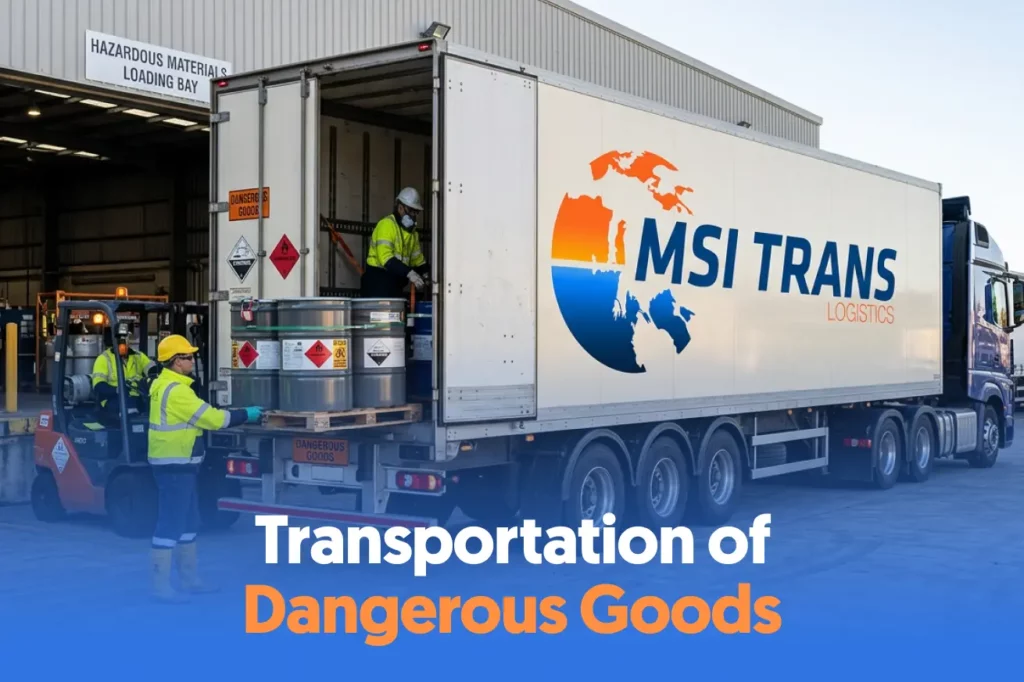
A veszélyes anyagok nemzetközi határokon való szállítása rendkívül specifikus működési megközelítést igényel. A veszélyes áruk kategóriája egyedi logisztikai profillal rendelkezik, amelyet súlyos biztonsági kockázatok és összetett szabályozási keretek jellemeznek.
A logisztikai menedzserek gyakran hatalmas vámkésedelmekkel szembesülnek a nem megfelelő dokumentáció vagy a rendkívül érzékeny anyagok helytelen csomagolása miatt. Az MSI-Trans biztonságos, teljes mértékben szabályoknak megfelelő logisztikai modellt kínál e probléma megoldására. Ez az egyszerűsített útvonal szigorú belső biztonsági auditokat kombinál a prémium fuvarszállítással az Egyesült Királyságban, Ausztriában és Magyarországon.
Veszélyes áruk szállítása
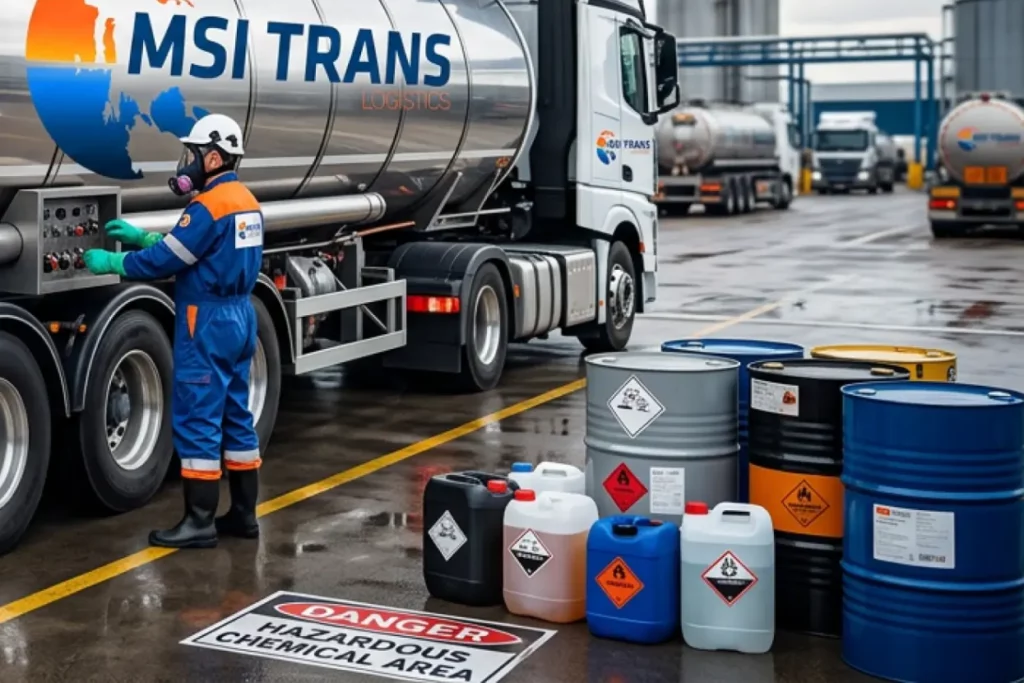
Az illékony anyagok fizikai mozgatása szigorúan szabályozott működési megközelítést igényel. A veszélyes áruk szállítása olyan anyagok és cikkek kezelését foglalja magában, amelyek szállítás során jól meghatározott, igazolt kockázatot jelentenek az egészségre, a közbiztonságra, a vagyonra vagy a környezetre.
Az anyagok ebbe a szigorú szabályozási kategóriába tartoznak, ha súlyos kémiai vagy fizikai tulajdonságokat mutatnak, beleértve:
- Nagy gyúlékonyság
- Extrém toxicitás
- Korrozivitás
- Kémiai instabilitás szokásos úti rezgés mellett
A hagyományos raklapon szállított fogyasztási cikkekkel ellentétben az ipari vegyi anyagok illékony jellegük miatt rendkívül specifikus ellátási láncbeli alkalmazkodást igényelnek, hogy megelőzzék a katasztrofális szerkezeti meghibásodásokat a nemzetközi szállítás során. Ezek a kötelező logisztikai követelmények a következőket foglalják magukban:
- Rendeltetésszerű csomagolási megoldások
- Dedikált járműspecifikációk
- Erősen tanúsított kezelési protokollok
Ezen teherszállítások osztályozásának globális szabványa közvetlenül az Egyesült Nemzetek Szervezetétől származik. Ez a nemzetközi keretrendszer szigorú jogi alapot biztosít az összes határokon átnyúló szállítási törvény számára, egységes, adatvezérelt rendszert hozva létre a pontos kémiai kockázatprofilok azonosítására.
Ezeknek a szabványosított osztályozásoknak a betartása lehetővé teszi a vámhatóságok számára a küldemény azonnali ellenőrzését anélkül, hogy a szállítóegységet a határon feltartóztatnák. Ez a szigorú rendszer elősegíti az ipari áruk rendkívül ellenőrzött, biztonságos és törvényes szállítását több joghatóságon keresztül.
Mik az ENSZ 9 veszélyes áru osztályai?
Az Egyesült Nemzetek a veszélyes anyagokat kilenc külön kategóriába sorolja az elsődleges kémiai vagy fizikai veszélyük alapján. A logisztikai menedzsereknek pontosan meg kell határozniuk a helyes osztályt a csomagolási csoportok, a súlykorlátok és a jogilag megengedett szállítási módok meghatározásához.
A helytelen osztályba sorolás közvetlenül a járművek nem megfelelő berakodásához vezet, ami megsérti a nemzetközi biztonsági kereteket és súlyos vám bírságokat von maga után. A globális B2B ellátási láncokban kezelt kilenc hivatalos osztályozás működésbeli lebontása a következőket tartalmazza:
- 1. osztályú robbanóanyagok: Ezek az anyagok detonálásra vannak tervezve. A nehézipari logisztikában ez gyakran ipari bányászati robbanóanyagokat, bontótölteteket vagy speciális pirotechnikai eszközöket foglal magában.
- 2. osztályú gázok: Ez a kategória nagy nyomás alatt lévő, sűrített, cseppfolyósított vagy oldott gázokat foglal magában. A gyakori áruk közé tartozik a nagyméretű hegesztési műveletekhez használt sűrített argon vagy a nagy ipari létesítmények számára nagy mennyiségben szállított cseppfolyós nitrogén.
- 3. osztályú gyúlékony folyadékok: Ezek a folyadékok rendkívül alacsony lobbanásponttal rendelkeznek. B2B példák közé tartoznak az ipari oldószerek, az autófesztések és a nyers kőolajtermékek, amelyek szigorú hőmérsékletszabályozást igényelnek.
- 4. osztályú gyúlékony szilárd anyagok: Ez a besorolás magában foglalja az önmagától meggyulladó anyagokat, illetve azokat a vegyületeket, amelyek vízzel érintkezve erősen gyúlékony gázokat bocsátanak ki. A hozzáadott gyártásban használt fémporok pontosan ebbe a kategóriába tartoznak.
- 5. osztályú oxidáló anyagok: Ezek az anyagok hatalmas mennyiségű oxigént termelnek, drasztikusan növelve a környező rakomány tűzveszélyét. Ide tartoznak az ipari minőségű műtrágyák és a erős kémiai fehérítőszerek.
- 6. osztály Mérgező és fertőző anyagok: Ezek az anyagok súlyos fizikai sérülést vagy halált okozhatnak lenyelve, belélegezve vagy bőrrel érintkezve. A szállítási műveletek során gyakran ebben a kategóriában szereplő ipari peszticideket, erős vegyi reagensanyagokat és biológiai laboratóriumi mintákat kezelnek.
- 7. osztályú radioaktív anyag: Az ipari radiográfiában és az energiaiparban széles körben használt szállítmányok speciális, ólombéléssel ellátott tárolóedényeket és rendkívül korlátozott tranzitútvonalakat igényelnek.
- 8. osztályú maró anyagok Ezek az illékony anyagok érintkezéskor súlyos, visszafordíthatatlan károsodást okoznak a szerkezeti fémekben. A magas koncentrációjú akkumulátorsavak és az ipari oldószerek tökéletesen megfelelnek ennek a profilnak.
- 9. osztály Melléktermékek Veszélyes anyagok: Ez az osztály olyan anyagokat foglal magában, amelyek szállítás során igazolt veszélyt jelentenek, de nem illeszkednek a többi nyolc kategóriába. A legfontosabb példa az autó- és technológiai szektorban széles körben használt lítium-ion akkumulátorok.
Mik az ADR, IMDG és IATA DGR szabályozások?
A nemzetközi fuvarozás különböző módjai eltérő jogi kereteket igényelnek az egyedi működési és környezeti kockázatok mérséklése érdekében. A logisztikai igazgatóknak szakszerűen kell eligazodniuk ezekben a speciális szabályozásokban a megfelelést biztosító globális ellátási lánc fenntartásához és az átfutási idők pontos kiszámításához.
Ezen keretek szigorú betartása az egyetlen módja a súlyos határokon történő késedelmek elkerülésének. A nem megfelelés közvetlenül a vámvizsgálatoknál lefoglalt közúti járművekhez, a tengeri kikötőkben azonnali konténerelutasításokhoz és a nemzeti közlekedési minisztériumok által kivetett súlyos pénzbírságokhoz vezet.
Az alábbi táblázat három elsődleges, globálisan hatályos veszélyes áruk szállítását szabályozó keretrendszer műszaki összehasonlítását mutatja be.
| Szabályozási keret | Elsődleges szállítási mód | Főbb Működési Fókusz | Kormányzó Testület |
| ADR | Európai Közúti Fuvarozás | Járműépítés, alagúthatárok, járművezetői tanúsítvány | ENSZ-EGB |
| IMDG Kód | Nemzetközi Tengeri Szállítás | Konténer szegregáció, tárolási helyek, tengeri szennyező anyagok | IMO |
| IATA Veszélyes Áruk Szabályzata | Globális légi szállítás | Nyomáskülönbség tesztelés, magassági stabilitás, szigorú térfogathatárok | IATA |
Az Európai Megállapodás a veszélyes áruk nemzetközi közúti szállításáról pontosan meghatározza a Európa-szerte közlekedő tehergépjárművekre vonatkozó jogi követelményeket. Az ADR előírások meghatározzák a nehézgépjárművek konstrukciós szabványait, a vészhelyzeti felszerelések protokolljait és a speciális útvonalakra vonatkozó korlátozásokat. Például ez a keretrendszer pontosan meghatározza, hogy mely európai autópálya-alagutakba léphet be legálisan egy gyúlékony folyadékot szállító tehergépjármű, és mely útvonalakat kell teljes mértékben elkerülnie.
A Nemzetközi Tengeri Veszélyes Áruk Kódexe szabályozza a veszélyes anyagok tengeri szállítását. A tengeri szállítás hosszú tranzitidővel és egyedi fizikai igénybevételekkel jár, beleértve az óceáni turbulenciát és a magas sótartalmú páratartalmat. Az IMDG kódex nagy hangsúlyt fektet a nem összeférhető vegyi anyagok szigorú elkülönítésére a szállítókonténeren belül, valamint a raktérhajón történő specifikus tárolási helyekre.
A légi szállítás a legszigorúbb logisztikai módnak számít a magasságból való leesés és a légnyomásváltozások vegyi stabilitásra gyakorolt súlyos következményei miatt. A Nemzetközi Légi Szállítási Szövetség veszélyes árukra vonatkozó szabályzatai szigorúan korlátozzák a csomagonként megengedhető veszélyes anyagok pontos mennyiségét. A keretrendszer továbbá szigorú leesési és nyomáskülönbség-teszteket ír elő minden tárolóedényre, mielőtt azok valaha is a kifutópályára kerülnének.
Veszélyes Áruk Szállítási Folyamata
Osztályozás és azonosítás
Minden veszélyes áruszállítmány megfelelő osztályozással kezdődik. Az anyagot vagy cikket azonosítani kell az ENSZ-száma alapján, és hozzá kell rendelni a nemzetközi előírások által meghatározott kilenc veszélyességi osztály egyikéhez (pl. 1. osztály – Robbanóanyagok, 3. osztály – T gyúlékony folyadékok, 7. osztály – Radioaktív anyag).
Egy minősített veszélyes áru szakértő áttekinti a Biztonsági Adatlapot (SDS), meghatározza a megfelelő csomagolási csoportot (I, II vagy III a veszély szintje alapján), és ellenőrzi, hogy az anyag megengedett-e a tervezett szállítási módra – közúti (ADR), tengeri (IMDG), légi (IATA DGR) vagy vasúti (RID).
Csomagolás és dokumentáció
Miután az árut osztályozták, azt ENSZ-tanúsítvánnyal rendelkező csomagolásban kell csomagolni, amely megfelel a hozzárendelt csomagolási csoportra előírt teljesítménystandardoknak. Ez magában foglalja a megfelelő belső csomagolást, szükség esetén nedvszívó anyagot, valamint a helyes tájolást jelző címkéket. Minden csomagot fel kell címkézni az ENSZ-számmal, a helyes szállítási megnevezéssel és a megfelelő veszélyességi jelvényekkel.
Ezt követően elkészülnek a teljes szállítási dokumentációk, beleértve a veszélyes áruk nyilatkozatát (DGD), a szállítási vészhelyzeti kártyát (Tremcard), valamint az esetlegesen szükséges engedélyeket vagy mentességi igazolásokat. A dokumentációknak a szállítmányt mindenkor kísérniük kell, és könnyen hozzáférhetőnek kell lenniük a vészhelyzeti reagáló személyek számára.
Szállítás és Kiszállítás
A szállítmányt képzett személyzet rakja járművekre vagy konténerekbe, szigorú elkülönítési szabályokat követve – bizonyos veszélyességi osztályokat soha nem szabad együtt tárolni vagy szállítani. A fuvareszközön feltüntetik a megfelelő narancssárga veszélytáblákat és jelzéseket, a járművezető pedig érvényes ADR/DGSA tanúsítvánnyal rendelkezik a szállítás alatt álló osztályokra vonatkozóan.
A szállítás során valós idejű nyomkövetés figyeli a helyzetet, a hőmérsékletet és az esetleges útvonaleltéréseket. Érkezéskor a címzett ellenőrzi a csomagolás sértetlenségét, igazolja a dokumentációt, és aláírja a kiszállítást. Bármilyen rendellenességet, szivárgást vagy sérülést haladéktalanul jelenteni kell a veszélyes áruk biztonsági tanácsadójának (DGSA) és az illetékes nemzeti hatóságnak.
Hogyan készítik elő a veszélyes rakományt a nemzetközi fuvarozáshoz?
A veszélyes áruk határokon átnyúló szállításra való előkészítése rendkívül technikai munkafolyamatként működik. A fizikai előkészítés semmilyen hibát nem tesz lehetővé. A logisztikai csapatnak pontos, adatvezérelt kockázatértékelést kell végeznie, még mielőtt az áru eléri a rakodó dokkot.
A tervezési szakasz alapját nagymértékben az Anyagtáblázat (MSDS) képezi. Az MSDS részletezi a pontos kémiai összetételt, a lobbanáspontokat, a toxicitási szintet és a specifikus vészhelyzeti protokollokat. A logisztikai tervezők közvetlenül ebből a dokumentumból nyerik ki az adatokat a helyes, négyjegyű ENSZ-szám hozzárendeléséhez. Ez a specifikus kód határozza meg az összes további csomagolási, elkülönítési és kezelési döntést a szállítási útvonalon.
Miután a logisztikai igazgató osztályozta az anyagot, a rakomány fizikai előkészítése szigorú szabályozási sorrendet követ. Minden fizikai elemnek tökéletesen meg kell felelnie a benyújtott kereskedelmi okmányoknak.
A kötelező működési ellenőrzőlista a következőket tartalmazza:
- ENSZ jóváhagyta csomagolás. Az ipari vegyszerek tárolására szolgáló standard B2B kartondobozok teljesen alkalmatlanok a veszélyes ipari vegyszerek esetében. A tárolóedényeknek át kell esniük szabványosított esésvizsgálatokon, rakodási vizsgálatokon és tömörségi értékeléseken a hozzárendelt csomagolási csoport alapján.
- Pontos címkézés. Minden egyes csomagoláson fel kell tüntetni a helyes veszélyességi osztályt jelző rombuszt és a specifikus UN számot. Ezeket a címkéket tartósan kell nyomtatni, hogy ellenálljanak a zord időjárási körülményeknek, a tengeri sónak és a fizikai kopásnak.
- Jármű jelölés. A teherautó pótkocsijának vagy a szállítókonténernek a külső részén nagy, fényvisszaverő veszélyjelző táblákat kell biztonságosan rögzíteni. Ez a fizikai táblázás azonnal kommunikálja a rakomány pontos kockázati profilját a sürgősségi reagálóknak és a határőröknek.
Milyen dokumentumok szükségesek a veszélyes áruk vámkezeléséhez?
A vámkezelés következetesen jelentős akadályt képez a B2B logisztikában. Veszélyes anyagok kezelésekor a határőrizeti szervek maximális szabályozási ellenőrzést alkalmaznak. Az ADR-áruszállítmányok nemzetközi határokon történő áthaladásához pontos, hibátlan dokumentációra van szükség a szoros tranzitütemtervek betartásához és a fennakadások elkerüléséhez.
Egyetlen hiányzó dokumentum, egy lejárt biztonsági tanúsítvány vagy egy tévesen feltüntetett ENSZ-szám a kereskedelmi számlán közvetlenül raktári tárolási díjakhoz vezet. A vámhatóságok azonnal megállítják a szállítmányt, és azt az importőr költségére Secure Quarantine tárolóba helyezik, ami súlyos ellátási láncbeli blokádhoz vezet.
A zökkenőmentes nemzetközi határátlépés érdekében a logisztikai menedzsereknek össze kell állítaniuk a következő kötelező dokumentumokat:
- Áruvédelmi nyilatkozat. Ez a jogilag kötelező érvényű dokumentum, amelyet közvetlenül a szállító ír alá, igazolja, hogy a rakományt a nemzetközi előírásoknak megfelelően osztályozták, csomagolták, megjelölték és címkézték. Tartalmaznia kell a pontos ENSZ-számot, a megfelelő szállítási nevet, a veszélyességi osztályt és a csomagolási csoportot.
- Az ADR Gépjármű-jóváhagyási Tanúsítvány. Ez a dokumentum kötelező bizonyos magas kockázatú anyagféleségek esetében. Igazolja, hogy az a konkrét tehergépjármű, amelyik a vontatmányt vontatja, mechanikailag fel van szerelve és jogilag tanúsítottan alkalmas rendkívül veszélyes rakományok, mint például ömlesztett folyékony robbanóanyagok vagy nehézipari maróanyagok szállítására.
- SRC5 hitelesítés. A fuvarozási művelethez aktív SRC5 kártyával rendelkező gépjárművezetőkre van szükség. Ez a speciális szakképesítés igazolja, hogy a gépjárművezető szigorú, államilag jóváhagyott képzésen vett részt a veszélyes anyagok kezelése, az ipari tűzoltás és a vegyi anyagok vészhelyzeti elhárítása terén. A határőrök minden határátlépéskor alaposan ellenőrzik ezt az okmányt az árufuvarozási okmányok mellett.
Veszélyes Áru Szállítási Szolgáltatások
Veszélyes anyagok biztonságos tárolása ADR-kompatibilis körülmények között. Cargo-ját tanúsított, nemzetközi szabványoknak megfelelő raktárainkban biztonságosan tároljuk.
Több mint 4300 ADR-tanúsítvánnyal rendelkező járműből álló flottánkkal veszélyes anyagokat szállítunk Európa-szerte. Kezeljük a komplex útvonal-korlátozásokat, alagút-kódokat és több joghatóságra kiterjedő vámkezeléseket a Törökországot az Egyesült Királysággal, Ausztriával és Magyarországgal összekötő nagy forgalmú útvonalakon.
A III. osztályú gyúlékony folyadékokra specializálódtunk, beleértve az ipari oldószereket, az autóipari festékeket és a nyers kőolajtermékeket. Minden szállítmányt megelőz az ADR teljes megfelelésének biztosítása érdekében a veszélyes áruk biztonsági tanácsadóink által végzett, tételes biztonsági adatlap (MSDS) áttekintés.
Mind LTL, mind FTL veszélyes árut kezelünk. Az FTL műveletek teljes pótkocsit szentelnek egyetlen szállítmánynak a kezelési kockázatok kiküszöbölése érdekében. Az LTL műveletek szigorú vegyi szegregációs protokollokat alkalmaznak, hogy megakadályozzák az összeférhetetlen anyagok reakcióját az összevonás során.
Szakképzett raktárainkban veszélyes anyagokat tárolunk teljes ADR-kompatibilis feltételek mellett. Tanúsított Veszélyes Áru Biztonsági Tanácsadók auditálnak minden tárolási műveletet, és ellenőrzik az összes jármű jelölését, mielőtt a rakomány elhagyja a rakodót.
Veszélyes Áruk Közúti Szállítása az MSI-Trans Szolgáltatásaival
Az összetett ADR logisztika kezeléséhez olyan partnerre van szükség, aki mély működési infrastruktúrával és kifogástalan megfelelőségi rekorderrel rendelkezik. Az MSI-Trans magasan optimalizált megoldásokat kínál veszélyes áruk közúti szállítására, amelyeket kifejezetten nagy volumenű B2B ellátási láncokhoz terveztek.
Egy hatalmas működő flotta. Több mint 4300 járműből álló flottát üzemeltetünk, melyet nagyrészt ADR-tanúsítvánnyal rendelkező tehergépjárművekkel és speciális, veszélyes anyagok szigorú tárolására tervezett pótkocsikkal szereltünk fel. Ez a kiterjedt kapacitás lehetővé teszi számunkra, hogy nagy ipari ügyfeleink számára gyorsan skálázhatóvá tegyük a műveleteket, az LTL (részrakomány) vegyi szállítástól a dedikált, nagy biztonságú FTL (teljes rakomány) közúti fuvarozásig mindent kezelve.
Belső biztonsági audit. Az abszolút megfelelés mindennapi működésünkbe van beépítve veszélyes áru biztonsági tanácsadóinkon (DGSA) keresztül. Ezek a minősített logisztikai szakértők minden egyes szállítmányt ellenőriznek, minden biztonsági adatlapot (MSDS) sorról sorra áttekintenek, és minden jármű jelölését igazolják, mielőtt egy MSI-Trans teherautó elhagyná a rakodó dokkot. Megadják azt a mélyreható műszaki felügyeletet, amely a komplex, nagy forgalmú határátkelőkön a késedelmek elkerüléséhez szükséges.
Stratégiai európai útvonaltervezés. Működési dominanciánk a legkritikusabb európai ipari folyosókra terjed ki. Nagyfrekvenciás veszélyes áruszállítási útvonalakat kezelünk, amelyek Törökországot közvetlenül az Egyesült Királysággal, Ausztriával és Magyarországgal kötik össze. Mi kezeljük az összetett útvonal-szabályozásokat, a speciális alagútkódokat és a több joghatóságra kiterjedő vámkezeléseket, hogy ellátási lánca zavartalan maradjon.
Biztosítsa be fuvarajánlatát. Az Ön speciális vegyi vagy ipari szállítmányához igazított, nagymértékben rugalmas, biztonságos és adatvezérelt árajánlatért lépjen kapcsolatba még ma az MSI-Trans üzemeltetési csapatával.
Gyakran Ismételt Kérdések a Veszélyes Áruk Szállításáról
Veszélyes áruknak a logisztikában azok az anyagok vagy tárgyak minősülnek, amelyek szállításuk során veszélyt jelenthetnek a közegészségre, a biztonságra, a vagyonra vagy a környezetre.
Veszélyes áru a szállítás során minden olyan anyag vagy készítmény, amely vegyi vagy fizikai tulajdonságai miatt jelentős, igazolt kockázatot jelent az egészségre, a biztonságra, a tulajdonra vagy a környezetre.
Az Áruházi Európai Megállapodás a Veszélyes Áruk Nemzetközi Közúti Szállításáról (ADR) szabályozza a veszélyes anyagok közúti szállítását Európában.
Az európai közúti szállítás elsődleges szabályozási keretét az ADR megállapodás jelenti, amelyet az Egyesült Nemzetek Európai Gazdasági Bizottsága fogalmazott meg, és a nemzeti közlekedési minisztériumok szigorúan betartatnak.
Hogyan történik a veszélyes áruk osztályozása a szállítás során?
Az osztályokba sorolás az anyag alapvető veszélye, például gyúlékonysága, toxicitása vagy radioaktivitása alapján történik, melyet szigorú laboratóriumi vegyvizsgálatok és az ENSZ Modell Szabályzata határoz meg.
Az SDS-nek milyen specifikus információkat kell tartalmaznia a logisztikai tervezéshez?
Az MSDS-nek tartalmaznia kell a szállítmány pontos kémiai összetételét, a pontos ENSZ számot, a specifikus lobbanáspontokat, a csomagolási csoportra vonatkozó követelményeket, és a vegyi anyagok kiömlésére vonatkozó, rendkívül részletes vészhelyzeti intézkedéseket.
Hogyan befolyásolják a csomagolási csoportok a veszélyes vegyi anyagok szállítását?
A csomagolási csoportok az veszély mértékét jelzik, ahol az I. csoport a nagy, a II. csoport a közepes, a III. csoport pedig az alacsony veszélyt képviseli, ami közvetlenül meghatározza a csomagolás szerkezeti szilárdságát és tesztelési követelményeit.
Mi a különbség az FTL és az LTL között veszélyes áruk esetén?
Az FTL (Full Truckload) műveletek egy egész pótkocsit szentelnek egyetlen speciális veszélyes szállítmánynak, hogy kiküszöböljék a kezeléssel járó kockázatokat, míg az LTL (Less Than Truckload) műveletek kisebb szállítmányokat konszolidálnak, ami rendkívül szigorú vegyi elválasztási protokollokat igényel az összeférhetetlen anyagok reakciójának megelőzése érdekében.
Melyek a kötelező dokumentumok az ADR közúti árufuvarozás vámkezeléséhez?
A kötelező dokumentumok közé tartozik az aláírt veszélyes áru nyilatkozat, a részletezett kereskedelmi számla veszélyességi adatokkal, a gépjárművezető érvényes SRC5 tanúsítványa, valamint az ADR jármű jóváhagyási tanúsítványa az adott szállítójárműre vonatkozóan.
Az IMDG kód hogyan szabályozza a gyúlékony folyadékok tengeri szállítását?
Az IMDG-kód pontos tárolási helyeket ír elő a teherszállító hajó belsejében, folyamatos hőmérsékletszabályozási követelményeket, valamint merev elkülönítési szabályokat a gyúlékony folyadékok teljes elkülönítésére a motorok hőforrásaitól és az oxidálószerektől.
A veszélyes áruk biztonsági tanácsadója (DGSA) kulcsfontosságú szerepet játszik a logisztikában a veszélyes áruk biztonságos és szabályszerű szállításának biztosításában.
A DGSA naponta ellenőrzi a szállítási műveleteket a szigorú jogi megfelelés érdekében, technikai képzést nyújt a raktári és logisztikai személyzetnek, kivizsgál minden veszélyes anyaggal kapcsolatos esetet, és megírja a hatóságok számára kötelező éves biztonsági jelentéseket.
Hogyan kérhet üzleti ADR szállítási árajánlatot az MSI-Trans-tól?
Az üzleti ügyfelek pontos árajánlatot kérhetnek, ha közvetlenül a logisztikai osztályunkat keresik meg a pontos szállítási mennyiséggel köbméterben, a fel- és lerakodási helyszínekkel, valamint a veszélyes áruk esetén szükséges MSDS (Anyagbiztonsági Adatlap) dokumentummal.