


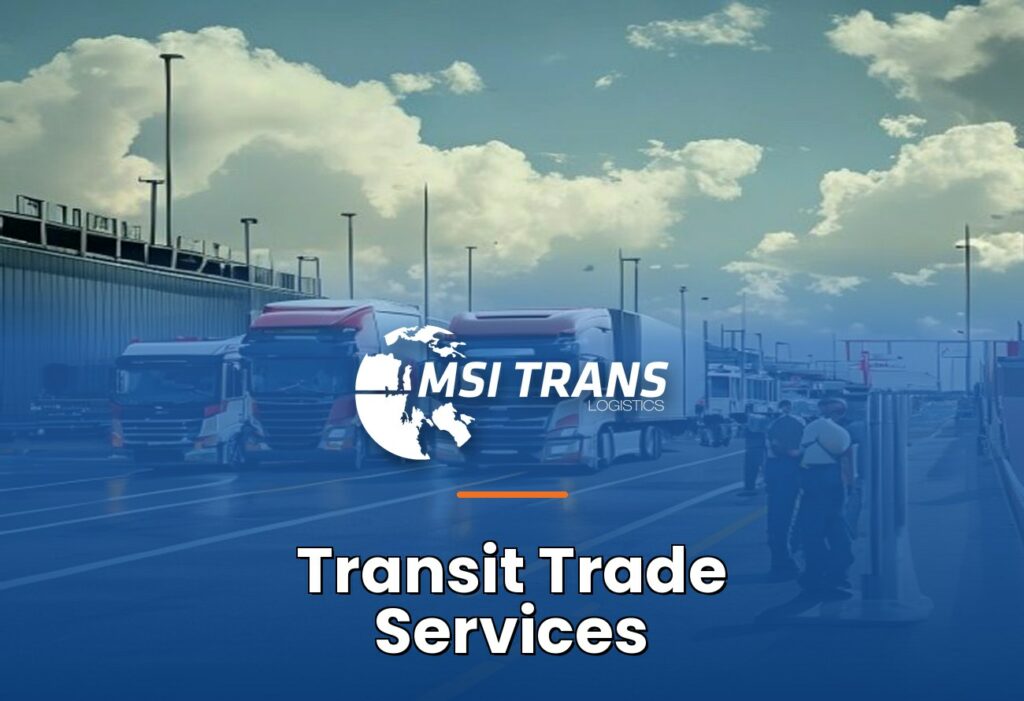
Transit ticareti, malların menşe ülkeden nihai varış noktasına kadar, transit ülkede tüketilmeden, işlenmeden veya yurt içi kullanıma gümrüklenmeden bir veya daha fazla ara ülke üzerinden uluslararası hareketidir. Bu ticaret modeli, gümrük denetimi ve uluslar arasındaki özel transit anlaşmaları çerçevesinde yürütülür.
Transit ticaret, gümrüksüz ülkelerin deniz limanlarına erişimini sağlayarak, stratejik koridor güzergahlarıyla nakliye mesafelerini azaltarak ve Avrupa, Orta Asya ve Orta Doğu gibi bölgelerdeki sınır ötesi tedarik zincirlerini kolaylaştırarak küresel ticarette kritik bir rol oynamaktadır.
Transit Ticaret Nedir?
Transit ticaret, malların menşe ülke ile son varış ülkesi arasındaki bir veya daha fazla ara ülkeden geçişini ifade eder. Mallar, transit ülkenin iç pazarına girmeden bu ülkeden geçer.
İthalat vergisi uygulanmaz, ticari satış gerçekleşmez ve kargo transit bölge boyunca gümrük denetimi altında kalır.
Bu model, standart ithalat ve ihracat işlemlerinden temelden farklıdır. Normal bir ithalatta gümrük işlemleri tamamlanır, vergiler ödenir ve ülkenin iç ekonomisine girilir. Transit ticaret, ara ülkeyi yalnızca coğrafi bir koridor olarak kullanır ve mallar mühürlü koşullar altında nihai varış noktasına doğru çıkar.
Transit ticareti küresel ticarette çeşitli kritik işlevlere hizmet eder. Denize erişimi olmayan ülkeler, limanlara ve uluslararası nakliye ağlarına ulaşmak için transit koridorlara bağımlıdır.
Üretim tedarik zincirleri, sevkiyatları birleştirmek ve toplam lojistik maliyetini azaltmak için bileşenleri stratejik olarak konumlandırılmış merkez ülkelerden geçirir. İhracatçılar ayrıca, sıkışık doğrudan rotalardan kaçınan daha hızlı veya daha ucuz koridorlara ulaşmak için transit rotalama kullanırlar.
Transit Ticaret Uluslararası Ticaret İçin Neden Önemlidir?
Transit ticareti, doğrudan nakliye rotalarının bulunmadığı veya ekonomik olarak verimsiz olduğu bölgeler arasında küresel tedarik zincirlerini birbirine bağlı tutar. Model, coğrafi engelleri öngörülebilir lojistik yollarına dönüştürür ve kara taşımacılığına dayanan ihracatçıları destekler.
Denize kıyısı olmayan ülkeler en bariz yararlanıcılar olarak görülmektedir. Orta Asya, Sahra altı Afrika ve Doğu Avrupa'nın bazı bölgelerindeki ülkeler, ihracatlarını uluslararası pazarlara taşımak için komşu kıyı devletleriyle yapılan transit anlaşmalarına bel bağlamaktadır. Bu anlaşmalar olmadan, tüm ekonomiler denizyolu ticaretine erişimini kaybeder.
Stratejik koridor yönlendirmesi toplam ulaşım maliyetlerini de azaltır. Kuzey Avrupa'ya sevkiyat yapan bir Türk ihracatçı, daha uzun bir deniz yolculuğu yerine Balkanlar ve Orta Avrupa üzerinden intikalini yönlendirebilir. Karayolu koridoru, daha hızlı transit süreleri sağlar ve her iki uçtaki liman elleçleme maliyetlerini ortadan kaldırır.
İşletmeler birden fazla ulaşım rotasını kullandığında tedarik zinciri esnekliği artar. Alternatif ulaşım yolları olduğunda, bir güzergahtaki siyasi kesintiler, altyapı arızaları veya kapasite kısıtlamaları yönetilebilir kalır. Çeşitlendirilmiş rotalama, teslimat taahhütlerini korur ve üretim programlarının zamanında ilerlemesini sağlar.
Transit ülkeler arasındaki ticaretin kolaylaştırılması anlaşmaları bürokratik sürtüşmeleri azaltır. Uyumlaştırılmış gümrük prosedürleri, araç izinlerinin karşılıklı tanınması ve elektronik ön onay sistemleri yük hareketini hızlandırır. Bu çerçeveler, Avrupa, Kafkasya ve Orta Doğu'daki küresel transit ticaretin günlük akışını güçlendirir.
Transit Ticaret Yasal mıdır ve Nasıl Düzenlenir?
Transit ticareti köklü bir uluslararası hukuki çerçeve içinde faaliyet göstermektedir. Dünya Ticaret Örgütü, GATS'ın V. Maddesi uyarınca transit serbestisini garanti etmektedir.
Bu hüküm, DTÖ üyesi devletleri, malların, gemilerin ve araçların uluslararası transit için en uygun güzergahlar üzerinden kendi topraklarından serbest geçişine izin vermeye zorlar.
TIR Sözleşmesi, sınır ötesi karayolu geçişleri için temel operasyonel mekanizmayı sağlamaktadır. Mallar, sözleşmeci 77 tarafın tamamında tanınan tek bir gümrük belgesi olan TIR Karnesi ile mühürlenmiş araçlarda veya konteynerlerde seyahat eder.
Gümrük yetkilileri, ara sınır kapılarında mührün bütünlüğünü doğrular ve kargonun fiziksel olarak incelenmesini gerektirmeden karneleri damgalar. Bu, sınırda bekleme sürelerini önemli ölçüde azaltır.
Avrupa Birliği içinde, Yeni Bilgisayarlı transit Sistemi (NCTS) tüm transit hareketlerini elektronik olarak yönetir. Kalkış, transit ve varış noktalarındaki gümrük ofisleri NCTS aracılığıyla gerçek zamanlı olarak veri alışverişinde bulunur.
Bu küresel çerçeveleri ikili ve çok taraflı transit anlaşmaları tamamlamaktadır. Türkiye, AB üyesi ülkeler, Balkan ulusları ve Orta Asya ülkeleri ile araç kotalarını, rota izinlerini ve gümrük kolaylıklarını tanımlayan transit anlaşmaları sürdürmektedir.
Transit Ticaret ile İhracat Arasındaki Fark Nedir?
Transit ticaret ve ihracat, birbirinden farklı iki gümrük ve ticari işlemi temsil eder. Bunları karıştırmak, sınır geçişlerinde gecikmelere ve cezalara neden olan dokümantasyon hatalarına yol açar.
| Çarpan | Transit Ticaret | Dışa aktar |
|---|---|---|
| Gümrük durumu | Eşya, yurt içine gümrük denetimi altında olup serbest bırakılmamıştır. | Mallar ihracat gümrüğünden geçer ve menşe ülkeden ayrılır |
| Gümrük vergileri ve harçlar | Transit ülkesinde gümrük vergisi yoktur | Menşe ülkesinde ihracat vergileri, hedef ülkede ise ithalat vergileri uygulanabilir |
| Mülkiyet | Transit ülkesinde mülkiyet devri gerçekleşmez | Mülkiyet satıcıdan alıcıya geçer |
| Belgeler | TIR Karnesi, T1/T2 transit beyannamesi, CMR | Ticari fatura, ihracat beyannamesi, konşimento |
| Amaç | Ara bölge geçişi | Yabancı alıcıya mal satışı |
| İç Pazar Erişimi | Mallar transit ülkenin pazarına giremez | Mallar varış ülkesinin pazarına girer |
İhracatta satıcı, malları doğrudan alıcının ülkesine gönderir. İşlem ticari bir satış, mülkiyet değişikliği ve varış noktasında tam gümrük beyannamesini içerir.
Transit ticarette, aracılık yapan ülkede herhangi bir ticari işlem söz konusu değildir. Mallar, alıcı pazardaki gerçek alıcıya ulaşana kadar sadece kapalı gümrük koşulları altında geçer.
Transit Ticaret Türleri
Transit ticareti üç ana model aracılığıyla yürütülür ve her biri farklı operasyonel ve düzenleyici gereksinimlere hizmet eder.
- Doğrudan geçiş: Mallar depolama veya elleçleme olmaksızın transit ülkesinden geçmektedir. Kargo, transit bölge boyunca aynı araç veya gemide kalmaktadır. Türkiye'den Avusturya'ya giderken Bulgaristan'dan geçen mühürlü bir kamyon, doğrudan transit anlamına gelir.
- Dolaylı transit Sevkiyatlar, transit ülkesinde geçici depolama veya aktarma işlemlerini kapsar. Mallar, gümrüklü bir depoya boşaltılabilir, farklı bir araca aktarılabilir veya nihai varış noktasına devam etmeden önce diğer yüklerle birleştirilebilir. Kargo, depolama süresi boyunca gümrük denetimi altında kalır.
- Serbest bölge geçişi Mallar, normal gümrük bölgesinin dışında faaliyet gösteren belirlenmiş serbest ticaret bölgeleri veya serbest limanlar aracılığıyla nakledilir. İthalat vergilerini tetiklemeksizin içeri girerler, konsolidasyon, yeniden ambalajlama veya küçük işlemden geçirilerek yeniden ihraç edilirler. Hamburg, Rotterdam ve Mersin gibi büyük limanlar önemli transit hacimlerini yönetmektedir.
Transit Ticaret Koridorları ve Anahtar Uluslararası Rotalar
Küresel transit ticareti, üretici bölgeleri ara ülkeler aracılığıyla tüketici pazarlarına bağlayan yerleşik koridorlara dayanır. Her koridor, coğrafi bir avantajı olgun gümrük işbirliği ve güvenilir yol veya liman altyapısıyla birleştirir.
Türkiye-Orta Avrupa koridoru, karayolu taşımacılığı için en işlek transit güzergahlardan biri olarak hizmet vermektedir. Türk ihracatı, Bulgaristan, Sırbistan veya Romanya üzerinden seyahat ederek Macaristan ve Avusturya üzerinden Batı Avrupa pazarlarına ulaşmaktadır.
Bu kara yolu koridoru, Türk üretim merkezleri ile Avrupa dağıtım ağları arasındaki otomotiv parçaları, tekstil ürünleri, gıda ürünleri ve endüstriyel malzemelerin taşınmasını sağlamaktadır.
Hazar-Ötesi koridoru, Kafkasya ve Türkiye üzerinden Orta Asya ekonomilerini Avrupa pazarlarına bağlar. Kazakistan, Özbekistan ve Türkmenistan'dan gelen mallar Hazar Denizi'ni geçer, Gürcistan veya Azerbaycan üzerinden transit yapılır ve Avrupa'ya dağıtım için Türkiye'ye girer. Bu güzergah, kuzey koridorlarına bir alternatif olarak stratejik önem kazanmaktadır.
Orta Doğu transit koridoru, Avrupa ve Orta Doğu pazarları arasında Türkiye üzerinden mal taşımacılığı yapar. Türk limanları ve kara geçiş noktaları, AB ile Irak, İran ve Körfez devletleri arasındaki yük trafiği için aktarma noktası işlevi görür. Bu koridor, Türkiye'nin iki kıtayı birbirine bağlayan coğrafi konumundan faydalanır.
Avrupa iç nakil koridorları, AB üye devletleri ile AB üyesi olmayan Avrupa destinasyonları arasında mal taşır. Birleşik Krallık'a ulaşmak için Avusturya, Almanya veya Fransa üzerinden transit geçen yükler, her sınır geçişinde elektronik gümrük takibi yapılan belirlenmiş NCTS yönetimindeki güzergahları izler.
Transit Ticarette Gümrük İşlemleri ve Belgeler
Transit ticaret gümrük işlemleri, hükümet gelirlerini korurken malların ara bölgelerden sorunsuz geçişini de sağlar. Her transit hareketi özel belgelendirme ve finansal teminat gerektirir ve her adımdaki doğruluk, sevkiyatın zamanında gümrüklenip gümrüklenmeyeceğini belirler.
| Belge | Amaç |
|---|---|
| T1 transit beyannamesi | AB toprakları içinde veya üzerinden gümrük gözetimi altındaki AB dışı malları kapsar |
| T2 transit beyannamesi | İsviçre gibi AB dışı topraklardan geçen AB mallarını kapsar |
| TIR Karnesi | Uluslararası karayolu taşımacılığı için birleşik gümrük ve teminat belgesi |
| CMR navlun belgesi | Uluslararası karayolu yük taşıma sözleşmesi |
| Ticari fatura | Taşınan malların tanımını ve değerini beyan eder |
| Gümrük teminatı | Transit taşımacılığı sırasında görev sorumluluğunu güvence altına alır |
| NCTS referansı | AB transit beyannameleri için elektronik takip tanımlayıcısı |
T1 transit belgesi, AB gümrüklerine henüz tabi tutulmamış mallar AB toprakları içinde veya üzerinden gümrük gözetimi altında hareket ettiğinde kullanılır. T2 belgesi ise, AB üye devletleri arasındaki İsviçre'den geçen navlun gibi AB dışı topraklardan hareket eden AB malları için geçerlidir.
TIR Karnesi, karayolu taşımacılığı için hem bir gümrük belgesi hem de bir teminat belgesi işlevi görür. TIR sisteminin arkasındaki uluslararası teminat zinciri, gümrük otoritelerinin karnenin yeterli mali teminat olarak kabul edilmesini sağlar.
CMR konşimentosu, her uluslararası karayolu yük taşımacılığına eşlik eder. Göndericiyi, taşıyıcıyı, alıcıyı, kargo tanımını ve teslimat koşullarını kaydeder.
Gümrük teminatları, transit sırasında gümrük vergisinin güvenliğini sağlar. NCTS sistemi, teminat kullanımını otomatik olarak izler ve transit hareketleri başarıyla kapandığında teminatları serbest bırakır.
MSI-Trans'ın Transit Ticaret Hizmetleri
MSI-Trans, en aktif Avrupa yük koridorlarında transit ticaret lojistiği yürütmektedir. Şirketin operasyonel altyapısı, sınır aşırı transit hareketlerini tanımlayan dokümantasyon karmaşıklığı ve sınır yönetimi zorluklarına doğrudan çözüm sunmaktadır.
- Yerleşik transit koridoru uzmanlığı 4.300'den fazla araçlık bir filo, Türkiye, Balkanlar ve Orta Avrupa üzerinden günlük güzergahlarda çalışmaktadır. Sürücüler, koridordaki her ülke için gerekli tüm transit izinlerine ve sertifikalara sahiptir.
- Şirket İçi Gümrük Müşavirliği MSI-Trans, T1 transit beyannameleri, TIR Karneleri ve CMR konşimentolarını dahili olarak işler. Gümrük ekibi, tüm gerekli belgeleri hazırlar ve sunar. transit belgelendirme araçlar sınır kapılarına varmadan önce, bu da geçiş sürelerini saatlerden dakikalara indirir.
- FTL ve LTL transit kapasitesi Hem tam kamyon yükü (FTL) hem de kamyon yükünden az (LTL) sevkiyatlar ağ boyunca transit gümrük rejimleri altında hareket etmektedir. Türkiye'yi Birleşik Krallık, Avusturya ve Macaristan'a bağlayan ana koridorlarda planlanmış haftalık kalkışlar, nakliyecilere tedarik zinciri planlaması için güvenilir transit süreleri sunar.
- Proje kargoları transit koridorlarında: Büyük ve ağır yükler, özel olarak tahsis edilmiş transit rejimleri altında taşınır ağır nakliyat taşımacılığı ekipman ve refakat hizmetleri. MSI-Trans, koridor üzerindeki her ülkede güzergah etütleri, izinler ve refakat araçları koordine ediyor.
- Tam geçiş denetimi: Her sevkiyat gerçek zamanlı GPS takibi, tüm risklere karşı sigorta ve belgeli teslimat zinciri kaydı ile yapılır. Müşteriler, kargolarının konumunu izler ve son varış noktasında dijital teslimat kanıtı alırlar.
Şirket geçmişi hakkında daha fazla bilgi edinin MSI-Trans hakkında
Transit ticaret lojistik teklifi için, köken, hedef, yük detayları ve tercih ettiğiniz rota ile MSI-Trans operasyon ekibiyle bugün iletişime geçin.
Transit Ticaret Hakkında Sıkça Sorulan Sorular
Transit, uluslararası ticarette, bir ülkeye ithal edilen veya bir ülkeden ihraç edilen malların, başka bir ülke üzerinden nakledilmesini ifade eder. Bu işlemde mallar, transit ülkesinde serbestçe dolaşabilir ancak gümrük işlemleri açısından ticari bir döngüye girmezler.
Uluslararası ticarette transit, malların bir ara ülkenin topraklarından iç pazarına girmeden geçişini ifade eder. Yük, gümrük denetimi altında menşe ülkeden nihai varış noktasına hareket eder.
Transit sevkiyat ne kadar sürer?
Transit süresi rota mesafesine, sınır geçişlerinin sayısına ve gümrük işlem hızına bağlıdır. Türkiye'den Batı Avrupa'ya kara yoluyla transit süreleri, belirli güzergahlarda typik olarak dört ila yedi gün sürer.
Ticaretin üç türü hangileridir?
Sınır ötesi ticaret bağlamında üç ana tür şunlardır: ihracat ticareti (yabancı bir pazara mal satmak), ithalat ticareti (yabancı bir pazardan mal satın almak) ve transit ticaret (malların bir ara ülkeden nihai bir varış noktasına taşınması).
TIR Sözleşmesi nedir ve transit ticarette nasıl uygulanır?
TIR Sözleşmesi, mühürlü araçların tek bir teminat belgesi olan TIR Karnesi ile birden çok sınırı geçmesine olanak tanıyan uluslararası bir gümrük transit sistemidir. Her ara sınırda gümrük denetimleri ve ayrı teminat ihtiyacını ortadan kaldırır.
Transit ticaret için hangi gümrük belgeleri gereklidir?
Transit ticareti, AB içi hareketler için T1 veya T2 transit beyannamesi, uluslararası karayolu transitleri için TIR Karnesi, CMR irsaliyesi, ticari fatura ve transit sırasındaki gümrük sorumluluğunu kapsayan bir gümrük teminatı gerektirir.
Transit ticareti, denize kıyısı olmayan (kara ile çevrili) ülkeler için nasıl fayda sağlar?
Denize kıyısı olmayan ülkeler, deniz limanlarına ve uluslararası denizcilik ağlarına ulaşmak için komşu kıyı devletleriyle transit ticaret anlaşmaları kullanırlar. Bu anlaşmalar, geçiş haklarını garanti eder ve ihracat ve ithalat faaliyetlerini sağlayan gümrük prosedürleri oluşturur.
MSI-Trans Avrupa'da transit ticaret lojistiği sağlıyor mu?
Evet. MSI-Trans, Türkiye'yi Balkanlar ve Orta Avrupa aracılığıyla Birleşik Krallık, Avusturya ve Macaristan'a bağlayan koridorlarda transit ticaret lojistiği yapmaktadır. 4.300'den fazla araçlık filosu, FTL ve LTL transit hareketlerini kendi bünyesindeki gümrük belgeleriyle gerçekleştirmektedir.
İşletmeler MSI-Trans'tan transit ticaret lojistik teklifini nasıl talep edebilir?
Şirketler, kargonun menşe ve nihai varış noktasını, sevkiyat ağırlığını ve boyutlarını, tercih edilen transit rotalamayı ve sıcaklık kontrolü veya tehlikeli madde sınıflandırması gibi özel gereksinimleri MSI-Trans operasyon ekibiyle iletişime geçerek bildirebilirler.