


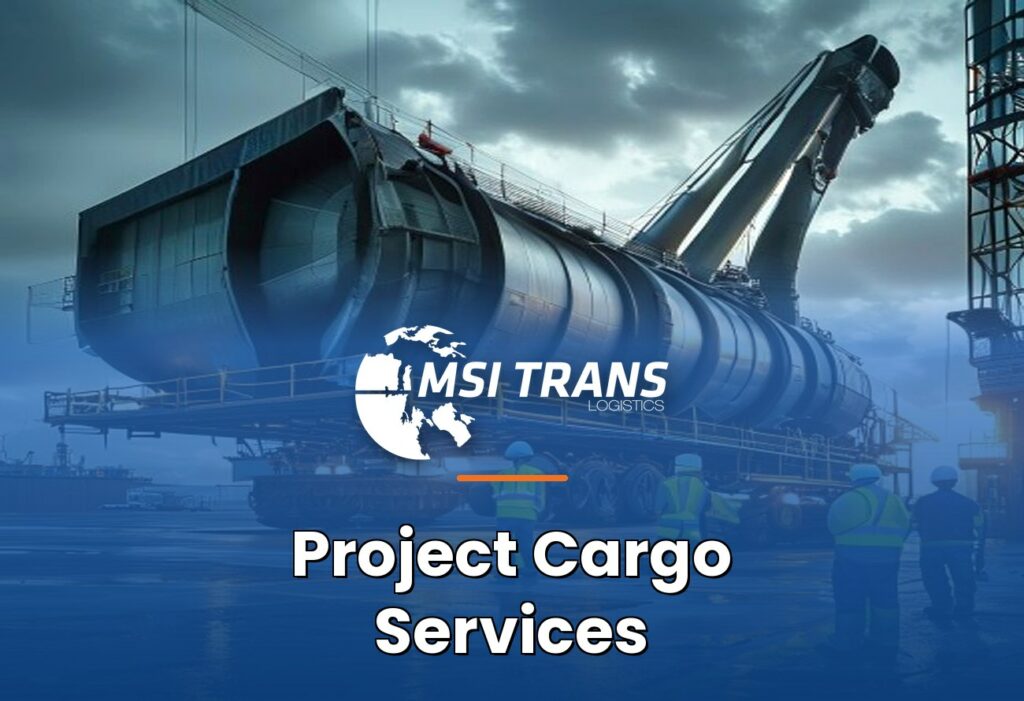
Proje kargo hizmetleri, endüstriyel, enerji ve altyapı projeleri için büyük boyutlu, ağır veya yüksek değerli ekipman ve malzemelerin taşınması için gereken özel lojistik operasyonlarını ifade eder. Her sevkiyat, özel planlama, rota mühendisliği, izin yönetimi ve kara, deniz ve hava taşımacılığı arasında çok modlu koordinasyon gerektirir.
Türbinler ve transformatörlerden rafineri modülleri ve inşaat makinelerine kadar, proje kargo lojistik sağlayıcıları fizibilite çalışmaları, kargo elleçleme, gümrükleme ve şantiye teslimatı da dahil olmak üzere tedarik zincirinin her aşamasını yönetir.
Proje Kargo Nedir?
Proje kargo, standart navlun operasyonlarının ötesinde özel planlama, ekipman ve elleçleme gerektiren büyük, ağır, karmaşık veya yüksek değerli sevkiyatları ifade eder. Bu kategoriye endüstriyel makineler, enerji üretim ekipmanları, rafineri bileşenleri, köprü bölümleri ve madencilik ekipmanları dahildir.
Proje yüklerini genel kargodan ayıran şey, her gönderide özel lojistik mühendisliği ihtiyacıdır. Standart bir palet bir konteynere rahatça sığar. Ancak 45 metrelik bir rüzgar türbini kanadı sığmaz. Her proje kargo sevkiyatı, bireysel güzergah etütleri, özel paketleme çözümleri ve özel nakliye ekipmanları gerektirir.
Proje kargo sevkiyatlarının ayırt edici özellikleri şunlardır:
- Olağanüstü boyutlar. Bireysel parçalar düzenli olarak 3 metre yükseklik, 3 metre genişlik veya 12 metre uzunluğu aşıyor. Bu ölçüler, çoğu Avrupa ülkesinde yasal yol taşımacılığı sınırlarını aşmakta ve özel taşıma izinleri gerektirmektedir.
- Aşırı ağırlık. Tek üniteler sıklıkla 50 ila 500 ton arasında değişmektedir. Standart kamyon aks konfigürasyonları bu yükleri taşıyamaz. Çok akslı hidrolik treylerler ve güçlendirilmiş köprü etüdleri zorunlu hale gelir.
- Yüksek birim değeri. Tek bir gaz türbini veya trafo birkaç milyon avro değerinde bir ikame maliyetine sahip olabilir. Her sevkiyattaki finansal risk, kapsamlı hepsi-risk sigortası ve titiz elleçleme protokolleri gerektirir.
Proje Kargo Lojistiği Nasıl İşler?
Proje kargo lojistiği, ilk ekipmanın fabrikadan ayrılmasından aylar önce başlayan aşamalı bir mühendislik iş akışı aracılığıyla işler. Her aşama doğrudan bir sonrakini besler. Tek bir aşamanın atlanması, izin reddine, liman gecikmelerine veya yerinde teslimat başarısızlıklarına yol açar.
Fizibilite çalışması süreci başlatır. Mühendisler, her bir yük parçasının fiziksel boyutlarını, ağırlık dağılımını ve yapısal hassasiyetini değerlendirir. Her olası güzergah boyunca yol altyapısını, köprü yük derecelendirmelerini, üst açıklık noktalarını ve dönüş yarıçaplarını değerlendirirler. Bu analiz, yükün başlangıç noktasından varış noktasına tam olarak nasıl hareket edeceğini tanımlayan teknik bir nakliye planı üretir.
Rota mühendisliği fizibilite değerlendirmesini takip eder. Haritacılar, açıklık verilerini doğrulamak ve alçak köprüler, dar kavşaklar, döner kavşaklar ve havai elektrik hatları gibi engelleri belirlemek için önerilen rotayı fiziksel olarak sürerler. Büyük boyutlu yükler için, enerji şirketlerinin transit yolu boyunca kablo hatlarını geçici olarak yükseltmeleri veya kaldırmaları gerekebilir.
İzin yönetimi, rota planlaması ile paralel olarak ilerler. Rota üzerindeki her ülke ve genellikle her belediye, ayrı bir fazla boyutlu veya fazla ağırlıklı taşıma izni gerektirir. Bu başvurular ayrıntılı teknik çizimler, aks yükü hesaplamaları ve önerilen seyahat programlarını içerir. İşlem süreleri yetki alanına bağlı olarak iki haftadan birkaç aya kadar değişmektedir.
Fiziksel taşıma işlemi, her türlü izin, güzergah etüdü ve yükleme planı onaylanıp belgelendikten sonra başlar. Yükleme ekipleri, şu yöntemi kullanarak özel römorklara yükü yerleştirir: ağır yük ekipmanı ve belirli yük profiline göre tasarlanmış mühendislik ürünü sınırlama sistemleriyle sabitleyin.
Proje Kargo Taşımacılığı ve Taşıma Modları
Proje kargo nakliyesi esnek, çok modlu bir yaklaşım gerektirir. Her sevkiyatın fiziksel özellikleri, başlangıç ve varış konumları ile mevcut altyapı, lojistik ekibinin hangi taşıma modlarını seçeceğini belirler.
Aşağıdaki tablo, proje kargo operasyonlarında kullanılan başlıca taşıma modlarını karşılaştırmaktadır:
| Nakliye Modu | Tipik Kargo | Ağırlık Aralığı | En İyisi |
|---|---|---|---|
| Kara Yolu (lowboy / çok dingilli) | Transformatörler, jeneratörler, gemiler | 500 tona kadar | Kapıdan sahaya, kısa-orta mesafe |
| Deniz (dökme yük / flat rack) | Türbinler, modüller, ağır yapılar | Sınırsız ölçüde | Kıtalararası, aşırı boyutlar |
| Hava (charter kargo) | Acil yedek parçalar, kritik bileşenler | 50 tona kadar | Zaman açısından kritik, yüksek değerli öğeler |
| Çok modlu (kara + deniz + kara) | Tam proje paketleri | Değişken | Karmaşık kaynak-hedef zincirleri |
Karayolu taşımacılığı, Avrupa proje kargo hareketlerinin belkemiğini oluşturur. Alçak yükleyiciler, ağırlık merkezleri alçak olan yüksek ekipmanları taşır. Çok akslı hidrolik modüler römorklar, aşırı ağırlığı onlarca aks hattına dağıtarak yol yüzeyleri ve köprüler üzerindeki nokta yüklerini azaltır. Polis veya öncü araç eskortları, büyük konvoylara kamu yollarında eşlik eder.
Deniz taşımacılığı en büyük ve en ağır proje kargo gönderilerini ele alır. Dökme yük gemileri, geminin kendi vinçlerini kullanarak bireysel parçaları doğrudan gemi güvertesine yükler. Flat rack konteynerler, standart konteynerlere sığmayan geniş veya uzun kargolar için uygundur. Ro-ro gemileri, tekerlekli veya paletli ekipmanın doğrudan gemiye girip çıkmasına izin verir.
Hava kiralama, ekipman arızasının bir proje zaman çizelgesini tehdit ettiği durumlarda acil durum seçeneği olarak hizmet eder. Antonov AN-124 gibi özel kargo uçakları, haftalarca süren kara taşımacılığını baypas ederek kritik yedek parçaları en yakın havaalanına doğrudan taşır.
Çoklu mod kombinasyonları, üç modu tek bir kapıdan şantiye zincirinde birleştirir. Tipik bir proje sevkiyatı fabrikadan deniz limanına karayoluyla, hedef limana gemiyle geçerek ve ardından son proje sahasına karayolu konvoyuyla devam edebilir.
Proje Kargo Elleçleme ve Yerinde Teslimat
Lojistik operasyonlarda elleçleme aşaması en yüksek fiziksel riski taşır. 200 tonluk bir trafonun treylirden temel platformuna taşınması, standart lojistik sağlayıcılarında bulunmayan hassas mühendislik ve özel ekipman gerektirir.
Vinç operasyonları, limanlarda, hazırlık alanlarında ve nihai teslimat noktalarında proje kargo elleçlemesinde büyük rol oynamaktadır. 100 ila 1.200 ton kaldırma kapasitesine sahip mobil vinçler, ağır ekipmanları santimetre düzeyinde hassasiyetle konumlandırır. İki veya daha fazla vincin eş zamanlı çalıştığı tandem kaldırmalar, tek bir vincin kapasitesini aşan yükleri taşır.
Vinç erişiminin sınırlı olduğu durumlarda yükleri yatay olarak taşımak için rigging ve skidding sistemleri kullanılır. Hidrolik kızak izleri, ağır modülleri kısa mesafelerde iterek tam kurulum pozisyonlarına yerleştirir. Jack-and-slide sistemleri ekipmanları dikey olarak kaldırır ve daha sonra hazırlanan temeller üzerine yanlamasına kaydırır.
Kendi yürür modüler taşıyıcılar (SPMT'ler) en çok yönlü saha içi nakliye seçeneğini sunar. Bu çok dingilli platform araçları binlerce tonluk yükleri taşır ve her dingili bağımsız olarak kontrol eden bilgisayarlı direksiyon sistemi ile dar saha koşullarında yol alır.
Proje Kargo Taşımacılığı Yapanlar ve Rolleri
Proje kargo nakliyecileri, ekipman üreticisi, nakliye operatörleri ve son müşteri arasındaki merkezi koordinasyon noktası olarak görev yaparlar. Rolleri, nakliye kapasitesi rezervasyonunun çok ötesine uzanır. Fabrika zemininden kurulum sahasına kadar tüm lojistik zincirini mühendislikler.
Yetkili bir proje kargo taşıma şirketi, teknik nakliye etüdünü yönetir, birden fazla yargı bölgesinde tüm büyük ve ağır kargo izinlerini güvence altına alır, gemi kiralama veya römorkör tahsisleri müzakere eder ve yükleme ve boşaltma noktalarında vinç ve kaldırma ekipmanları yüklenicilerini koordine eder.
Nakliyeci, her sınır geçişinde gümrük beyannamesi için de sorumluluk taşır. Proje kargoları genellikle geçici ithalat rejimleri veya devlet altyapı sözleşmelerine bağlı özel gümrük muafiyetleri kapsamında hareket eder. Yanlış tarife sınıflandırması veya eksik proje ithalat sertifikaları, gümrükte derhal kargonun tutulmasına neden olur.
Sigorta koordinasyonu da nakliyecinin kapsamına girer. Proje kargo poliçeleri, kaldırma operasyonlarını, deniz geçişini, karayolu taşımacılığını ve yerinde montajı kapsayan detaylı risk değerlendirmeleri gerektirir. Nakliyeci, sigortacıların poliçeyi doğru fiyatlandırmak için ihtiyaç duyduğu teknik verileri derler.
Projeli Kargo Çözümleri Sektöre Göre
Farklı endüstriyel sektörler, kendine özgü proje kargo profilleri oluşturur. Ekipman boyutları, teslimat sahası koşulları ve yasal gereklilikler her sektörde önemli ölçüde farklılık gösterir.
Enerji sektörü projeleri, lojistik sektöründeki en büyük bireysel sevkiyatların bazılarını üretir. Gaz türbinleri, buhar jeneratörleri, rüzgar türbini kuleleri ve güneş enerjisi çiftliği transformatörleri proje kargosu olarak nitelendirilir. Tek bir kombine çevrimli güç santrali, 12 ila 18 ay boyunca 200'den fazla bireysel büyük boyutlu sevkiyat gerektirebilir.
Petrokimya ve rafineri projeleri, her biri yüzlerce ton ağırlığında olabilen önceden üretilmiş modüler üniteleri taşır. Bu modüller, saha inşaat süresini azaltmak için tam montajlar olarak seyahat eder. Lojistik zorluk, çok modlu transit sırasında yapısal bütünlüğü korumaya odaklanır.
İnşaat ve altyapı projeleri, ağır toprak taşıma makineleri, köprü kesitleri, tünel delme makinesi bileşenleri ve prekast beton elemanları üretir. Teslimat pencereleri sıklıkla, gecikmeye tolerans göstermeyen sıkı inşaat programlarıyla örtüşür.
Madencilik operasyonları, ezme tesislerinin, konveyör sistemlerinin, taşıma kamyonlarının ve işleme ekipmanlarının sınırlı yol altyapısına sahip uzak konumlara taşınmasını gerektirir. Erişim yolu inşaatı bazen kargo teslimatından önce gelir.
Proje Kargo Nakliye Şirketi Nasıl Seçilir
Proje kargo nakliye şirketi seçimi, nakliye gerçekleştirme kapasitesinin yanı sıra teknik mühendislik yeteneğinin de değerlendirilmesini gerektirir. Tek başına fiyat, bir sağlayıcının 300 tonluk bir reaktör gemisini en yakın limana 800 kilometre uzaklıktaki bir kara ile çevrili sahaya güvenle teslim edip edemeyeceğini göstermez.
Kanıtlanmış ağır kaldırma deneyimi en önemlisidir. Benzer ağırlık, boyut ve karmaşıklıkta tamamlanmış sevkiyatları gösteren vaka çalışmaları talep edin. Bir enerji santrali ekipmanını birden fazla Avrupa sınırı boyunca başarıyla taşımış bir şirket, işin gerektirdiği izin bilgisi ve rota mühendisliği becerilerini sergiler.
Sahip olunan veya doğrudan kontrol edilen ekipman, üçüncü taraf alt yüklenicilere olan bağımlılığı azaltır. Kendi çok dingilli treyler filolarına, vinç ortaklıklarına ve özel araç kapasitesine sahip sağlayıcılar, program değişikliklerine daha hızlı yanıt verir ve uygulama sırasında daha sıkı kalite kontrolü sağlar.
Sigorta ve sorumluluk yapısı dikkatli bir inceleme gerektirmektedir. Tedarikçinin, tüm sevk şekillerini, kaldırma işlemlerini ve geçici depolamayı kapsayan proje bazlı kargo sigortası yaptırdığından emin olun. Standart nakliyat sorumluluk limitleri, yüksek değerli endüstriyel ekipmanlar için kesinlikle yetersizdir.
MSI-Trans'tan Proje Kargo Hizmetleri
MSI-Trans, Avrupa sanayi koridorlarında büyük ve ağır kargolar için proje lojistik çözümleri sunmaktadır. Şirket, kendisini standart nakliye sağlayıcılarından ayıran üç operasyonel güce dayanmaktadır.
Tahsisli ağır nakliye kapasitesi. 4.300'den fazla araçtan oluşan filoda, aşırı yük ve büyük boyutlu yükler için yapılandırılmış özel treylerler bulunmaktadır. Bu öz sahiplik kapasitesi, proje programlarının sıkılaştığı durumlarda MSI-Trans'ın spot piyasa treyler bulunabilirliğine bağlı kalmamasını sağlar. Hem tam kamyon yükü hem de parsiyel yük seçenekleri, her ölçekteki projeyi desteklemektedir.
Çok koridorlu Avrupa kapsama alanı. Operasyonel ağ, Türkiye'yi Birleşik Krallık, Avusturya ve Macaristan'a bağlayan yüksek frekanslı rotalara yayılmıştır. Türkiye'deki üretim merkezleri ile Batı Avrupa'daki endüstriyel sahalar arasında hareket eden proje kargoları, bu koridorlar boyunca kurulmuş izin ilişkilerinden ve önceden etüt edilmiş rota seçeneklerinden yararlanmaktadır.
Entegre gümrükleme ve dokümantasyon. MSI-Trans, ana güzergahlarında gümrük otoriteleriyle doğrudan ilişkileri sayesinde sınır geçişlerini yönetir. Proje kargoları genellikle geçici ithalat evrakları, muafiyet belgeleri ve detaylı teknik beyanlar gerektirir. Şirket içi işlem, sınır geçişlerinde kargo bekletme riskini azaltır. Hakkında daha fazla bilgi edinin Endüstriyel müşteriler neden MSI-Trans'ı tercih ediyor? karmaşık lojistik operasyonlar için.
Ayrıntılı proje kargo nakliye teklifi için ekipman özelliklerinizi, kalkış ve varış detaylarınızı ve hedef teslimat programınızı MSI-Trans operasyon ekibiyle iletişime geçin.
Proje Kargo Hizmetleri Hakkında Sıkça Sorulan Sorular
Proje kargo ile genel kargo arasındaki fark nedir?
Proje kargosu, özel nakliye planlaması, özel izinler ve özel ekipman gerektiren, standart dışı boyutlarda, ağırlıklarda veya yüksek değerli gönderileri içerir. Genel kargo ise standart konteyner boyutlarına uyar ve geleneksel nakliye ağları üzerinden taşınır.
Proje nakliye planlaması nasıl işler?
Planlama, kargo boyutlarını, ağırlık dağılımını ve rota altyapısını kapsayan bir teknik fizibilite çalışması ile başlar. Mühendisler daha sonra fiziksel taşıma başlamadan önce izinleri alır, nakliye pencerelerini planlar ve yükleme ekipmanlarını koordine eder.
Proje kargo sevkiyatları için hangi izinler gereklidir?
Büyük ve ağır nakliyat izinleri, güzergah üzerindeki her ülkeden ve genellikle her belediyeden alınır. Başvurular detaylı aks yükü hesaplamaları, boyut çizimleri ve önerilen seyahat programlarını içerir.
Limanlarda büyük ölçekli proje kargo sevkiyatları nasıl ele alınır?
Limanlar, büyük boyutlu kargoları ağır hizmet tipi kıyı vinçleri, yüzer vinçler veya gemiye monte vinçler kullanarak elleçler. Dökme yük ve ro-ro terminalleri, bu sevkiyatların gerektirdiği açık güverte alanını ve yük taşıma kapasiteli rıhtım alanını sağlar.
Proje kargo nakliye süreci nasıl işler?
Proje kargo nakliyecisi, tam nakliye zincirini mühendislikle planlar, izinleri alır, gemi veya treyler kapasitesi ayarlar, vinç yüklenicilerini koordine eder ve her sınır geçişinde gümrük işlemlerini yönetir.
Proje kargo taşımacılığı için hangi sigorta gereklidir?
Proje kargoları, kaldırma operasyonlarını, karayolu taşımacılığını, denizyolunu ve geçici depolamayı kapsayan her türlü riske karşı deniz ve transit sigortası gerektirir. Standart navlun sorumluluk limitleri, sanayi ekipmanlarının yerine koyma değerini kapsamaz.
MSI-Trans Avrupa genelinde proje kargo taşımacılığı sağlıyor mu?
Evet. MSI-Trans, parça yükler için onaylanmış izin ilişkileri ve önceden incelenmiş rota seçenekleriyle, Türkiye'den Birleşik Krallık, Avusturya ve Macaristan'a bağlanan rotalarda özel ağır nakliye ekipmanları işletmektedir.
İşletmeler MSI-Trans'tan proje kargo lojistik teklifini nasıl talep edebilir?
Ekipman boyutları, toplam ağırlık, menşe fabrika adresi, varış noktası konumu ve hedef teslim tarihi ile MSI-Trans operasyon departmanı ile iletişime geçin.