

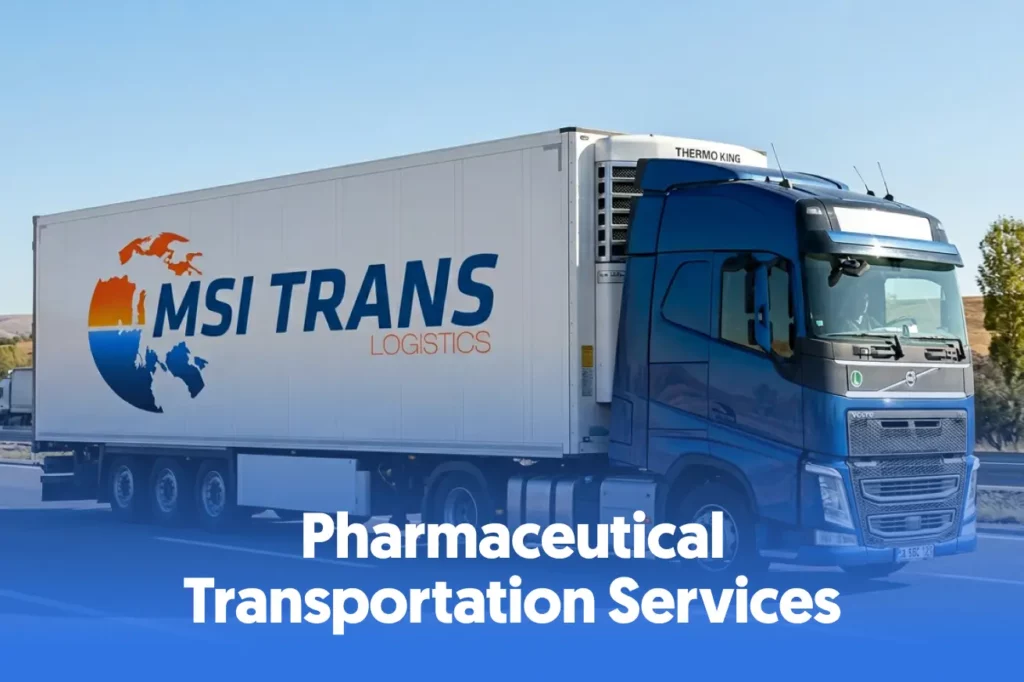
Üretimden son teslimata kadar ürün bütünlüğünü korumak esastır. Lojistik sağlayıcıları, ilaç ürünlerinin sürekli soğuk zincir yönetimi yoluyla sağlık tesislerine, eczanelere ve hastalara güvenli ve etkili bir şekilde ulaşmasını sağlamalıdır.
Farmasötik Taşımacılık Nedir?
Farmasötik nakliye, ilaçların, aşıların, biyolojik ürünlerin ve aktif farmasötik bileşenlerin sıkı sıcaklık kontrollü koşullar altında taşınması için düzenlenmiş bir süreçtir. Bu lojistik disiplini, tedarik zincirinin her aşamasında GDP'ye uyumlu araçlar, gerçek zamanlı sıcaklık izleme ve doğrulanmış paketleme çözümleri gerektirir. Standart Lojistik'in aksine, eczacılık taşımacılığı yüksek değerli, hayat kurtaran ve çevrelerine karşı son derece hassas ürünleri içerir.
Üretim noktasından son teslimata kadar ürün bütünlüğünü korumak ana hedeftir. Lojistik sağlayıcıları, ilaç ürünlerinin sürekli soğuk zincir yönetimi yoluyla sağlık tesislerine, eczanelere ve hastalara güvenli ve etkili bir şekilde ulaşmasını sağlamalıdır. Modern sağlık hizmetlerinde, taşıma zinciri ilaç laboratuvarının mobil bir uzantısı olarak hizmet vermekte, burada sıcaklık sapmasının her derecesi önemli klinik sonuçlar doğurabilir.
Kesinlikle sıcaklığa duyarlı ilaçların lojistiği konusunda en çok hangi endüstriler hassasiyet gösteriyor?
Eczacılık sektörü birincil kullanıcı olsa da, birkaç ilgili sektör de büyük ölçüde şunlara bağlıdır ilaç sıcaklık kontrollü taşımacılığı. Bunlar şunları içerir:
- Biyoteknoloji Biyolojik ürünler ve biyobenzerler üreten, ısı değişimlerine karşı son derece hassas şirketler.
- Klinik Araştırma Kuruluşları (CRO'lar): Bu kuruluşlar, küresel klinik deneyler sırasında hassas örneklerin ve deneysel ilaçların hassas hareketini gerektirir.
- Hastaneler ve Sağlık Ağları: Sıcağa duyarlı antibiyotikler ve onkoloji ilaçlarının istikrarlı sevkiyatına güvenmek.
- Halk Sağlığı Kuruluşları: Özellikle kitlesel aşılama programları sırasında soğuk zincir ilaç taşımacılığı operasyonun bel kemiğidir.
- Veteriner Hekimliği: Hayvan sağlığına yönelik aşılar ve özel tedaviler de GÇP'ye uyumlu lojistik gerektirir.
Farmasötik Nakliyede Sıcaklık Kontrolü Neden Kritik Öneme Sahiptir?
Sıcaklık kontrolü kritiktir çünkü en ufak termal değişiklikler bile biyolojik ürünleri denatüre ederek hastalar için etkisiz veya toksik hale getirebilir. Canlı organizmalardan elde edilen biyolojik ürünler, belirtilen termal aralığın dışına çıktıklarında özellikle bozulmaya yatkındır. soğutmalı ilaç taşımacılığı.
Bir “sıcaklık sapması” farmasötik taşımacılık hizmetleri bu, sevkiyatın tamamen kaybolmasına, büyük finansal sıkıntılara ve sağlık hizmetlerinin gecikmesine yol açabilir. Çoğu ilaç, belirli aralıklarda taşınır, örneğin +2°C ila +8°C veya +15°C ile +25°C arası. Modern lojistik sağlayıcıları, bu dar termal gereksinimlere 0% uyumu sağlamak için gerçek zamanlı telematik ve NIST izlenebilir veri kaydediciler kullanır.
Ayrıca, modern sıcaklık kontrollü lojistik giderek artan bir şekilde sürdürülebilirliği entegre etmektedir. Bu, soğuk zinciri korurken CO2 emisyonlarını azaltmak için yeniden kullanılabilir izotermal kapların ve optimize edilmiş rotaların kullanımını içerir. MSI-Trans, çevresel etkiyi en aza indirmek için tek kullanımlık plastikler yerine çevre dostu Faz Değiştiren Malzemeleri (PCM) önceliklendirir. “Yeşil Pharma Lojistiği” uygulamak, yeni ESG çerçeveleri altında karbon ayak izlerini düşürmek için çok kullanımlı vakum yalıtımlı paneller ve elektrikli soğutma üniteleri kullanarak güvenlik ve sürdürülebilirlik arasında bir denge gerektirir.
Farmasötik Taşımacılığı Yöneten Ana Düzenlemeler
Bu alanda faaliyet göstermek için, ilaç taşıma şirketleri titiz düzenleyici çerçevelere uymalıdır. Bunların en önemlileri şunlardır:
- İyi Dağıtım Uygulamaları (İDA) Avrupa İlaç Ajansı (EMA) ve Dünya Sağlık Örgütü (WHO) tarafından, tedarik zincirinin tüm aşamalarında ilaçların kalitesinin korunmasını sağlamak amacıyla belirlenen yönergeler. Bunlar arasında zorunlu sıcaklık kayıtları, araçların temizlik kayıtları ve sürücüler için düzenli eğitimler yer almaktadır.
- IATA CEIV Pharma: Zaman ve sıcaklığa duyarlı ürünlerin taşınmasına odaklanan hava kargo sertifikası. Bu standart, küresel dağıtım için hava transitinin gerekli olduğu durumlarda kritik öneme sahiptir.
- Yerel Sağlık Otoritesi Düzenlemeleri: Birleşik Krallık'taki MHRA veya ABD'deki FDA gibi, belirleyen ilaç ürünlerinin taşınması kendi yetki alanları dahilinde. Bu genellikle “Akıllı” sensörlerin ve doğrulanmış GPS takibinin kullanımını içerir.
- TAPA (Taşınan Varlık Koruma Derneği): Hırsızlığa karşı yüksek değerli ilaç kargolarının güvenliğine ilişkin standartlar. Yüksek değerli ilaçlar genellikle yönlendirme hedefleri olduğundan, bazı bölgelerde zırhlı nakliye veya çift personelli araçlar bir zorunluluktur.
Takip eden farmasötik ürünler için iyi taşıma uygulamaları zorunludur, düzenli bağımsız denetimler, onaylanmış araçlar ve kargonun hayat kurtarıcı niteliğini anlayan personel gerektirir.
Farmasötik Nakliye Süreci Nasıl İşler?
Araç gelmeden çok önce başlayan bir süreç. Kapsamlı bir şekilde başlar farmasötikler için taşıma doğrulama protokolü. Bu protokol, çeşitli hava koşullarında rotaların, ambalajın ve aracın termal yeteneklerinin test edilmesini içerir.
- Hazırlık ve Standart Operasyon Prosedürü (SOP) İncelemesi Ürün tipine özel Standart İşletim Prosedürlerine (SOP) göre uygun taşıma aracını (FTL veya LTL) seçmek ve sıcaklık sensörlerini kalibre etmek.
- Yükleme ve Termal Kalkanlama: Yükleme alanının, termal şoku önlemek için aracınkine benzer bir sıcaklıkta tutulmasını sağlamak. Hassas paletli ürünler için özel termal battaniyeler kullanılabilir.
- Transit ve Gerçek Zamanlı Telematik: Sürekli eczacılık taşımacılığı Herhangi bir sapmada gerçek zamanlı uyarılarla izleme. Sıcaklıkta ani bir yükselme olursa, sürücü ve merkezi kontrol kulesi hemen uyarılır.
- Kalite Kontrol ve Teslimat: Teslim alıcının, resmi devirden önce sıcaklık kayıtlarını dikkatlice boşaltması ve doğrulaması. Nakil sırasında belgelenen herhangi bir sapma, ilaç kullanıma sunulmadan önce Kalite Güvence (KG) ekibine bildirilmelidir.
Farmasötik Taşıma İçin Ambalaj ve Ekipman
Doğru olanı seçme Kontrollü sıcaklıkta farmasötik taşıma için ambalajlama karmaşık bir mühendislik görevidir. Seçim, ürünün termal kararlılığına, transit süresine ve dış iklim koşullarına bağlıdır. Kullanılan iki ana termal koruma sistemi kategorisi vardır ilaç taşıma şirketleri:
- Aktif Sistemler: Bunlar, mekanik soğutma ve ısıtma üniteleriyle donatılmış araçlar veya nakliye konteynerlerinden oluşur. Elektrik veya yakıtla çalışan bu sistemler, bir güç kaynağı olduğu sürece hassas sıcaklıkları süresiz olarak koruyabilir. İdeal seçimdir FTL ilaç karayolu taşımacılığı ve dış sıcaklıkların dramatik bir şekilde dalgalanabileceği uzun mesafeli uluslararası sevkiyatlar.
- Pasif Sistemler: Bunları kullanır farmasötik taşımacılık için izotermal kaplar faz değişim malzemeleri (FDM), kuru buz veya jel paketleri ile birleştirilir. Bu sistemler harici güç gerektirmez ve bunun yerine, sıcaklığı sabit bir süre (tipik olarak 48 ila 120 saat) boyunca korumak için yalıtıma ve önceden şartlandırılmış soğutucu akışkanlara dayanır. Bu, son derece uygun maliyetli ve güvenilir bir yöntemdir dondurulmuş ilaç taşımacılığı ve son mil teslimatları.
Gelişmiş ambalajlama, “soğuk zincir”in ihlal edilip edilmediğine dair görsel veya dijital bir kayıt sağlayan akıllı sensörleri ve göstergeleri de içerir. Vakum İzole Paneller (VIP'ler), kompakt bir alanda üstün termal direnç sağlamak için pasif sistemlerde sıklıkla kullanılır.
Farmasötik Nakliye Hizmetleri ve Sevkiyat Türleri
Profesyonel eczacılık taşımacılık hizmetleri sağlık sektörünün özel ihtiyaçlarına yönelik bir dizi seçenek sunar:
- Hızlı ve Kurye Teslimatı Acil klinik deney numuneleri, biyolojik örnekler veya saatler içinde kapıdan kapıya teslimat gerektiren küçük ölçekli kişiselleştirilmiş ilaçlar için kullanılır.
- Sıcaklık Kontrollü Kara Yolu Taşımacılığı Bu, yurt içi ve Avrupa içi dağıtım için birincil yöntemdir. Araçlar, soğutmalıdan kontrollü ortam sıcaklığına kadar farklı menzilleri idare etme yeteneklerine göre kategorize edilir.
- Soğuk Zincir Hava ve Deniz Taşımacılığı: Küresel olarak kullanıldı aktif farmasötik içerik taşımacılığı ve kıtalararası büyük ölçekli üretim malzemelerinin taşınması. Hava taşımacılığı, yükleme sırasında minimuma indirilmiş maruz kalmayı sağlamak için genellikle havaalanlarında CEIV sertifikalı elleçleme kullanır.
Farmasötik Taşımacılık Organizasyonunun Avantajları ve Dezavantajları
Büyük ölçekli ilaç taşımacılığının düzenlenmesi, maliyet ve güvenlik arasında bir denge gerektirir.
- Avantajlar: Merkezi lojistik, daha iyi toplu fiyatlara, filoda tutarlı GDP uyumluluğuna ve basitleştirilmiş gümrük yönetimine olanak tanır.
- Dezavantajları: Zamanlamada yüksek karmaşıklık, özellikle ilaç taşıma şirketleri paylaşılan (LTL) yüklerin taşınması ve pahalı ekipman bakımına duyulan sürekli ihtiyaç.
Farmasötik Karayolu Taşımacılığı İçin FTL ve LTL Çözümleri
Yol yoluyla mal taşıyan işletmeler için FTL (Tam Kamyon Yükü) ve LTL (Kamyon Yükünden Az) arasında seçim yapmak önemli bir karardır:
- FTL (Tam Kamyon Yükü): Tek bir müşteri için özel alan sağlar. Bu, yüksek güvenlik ve yüksek hacim için altın standarttır ilaç taşıma şirketleri, direkt rotalar ve minimum işlem sunarak.
- Kısmi Yük Birden fazla ilacın aynı sıcaklık aralığında tek bir araca yüklenerek daha uygun maliyetli bir çözüm. MSI-Trans, FTL ve LTL ilaç taşımacılığı hizmetleri sunmaktadır. çapraz bulaşmayı önlemek için katı bir şekilde bölümlendirilmiş olarak.
Avrupa Çapında Sınır Ötesi İlaç Taşımacılığı
Avrupa'da ilaç taşımacılığı, lojistik koridorları hakkında uzman bir anlayış gerektirir. Avrupa genelinde sınır ötesi ilaç taşımacılığı değişken hava koşulları, sınır bekleme süreleri ve yüksek güvenlikli bölgeler dikkate alınmalıdır.
Pharma Freight İçin Gümrükleme Belgeleri ve Mevzuata Uygunluk
Uluslararası sevkiyatlarda belgeler, sıcaklık kadar önemlidir. GDP uyumluluğu, aşağıdakiler dahil olmak üzere eksiksiz bir belge izi gerektirir:
- Sağlık Sertifikaları.
- Analiz Sertifikaları.
- Belirli ilaç sınıfları için ihracat/ithalat lisansları.
- Tüm yolculuk için sıcaklık kayıtları.
Uluslararası İlaç Taşıma Rotalarını Hangi Zorluklar Etkiliyor?
Uluslararası ilaç rotalarını etkileyen başlıca zorluklar altyapı kalitesi, gümrük darboğazları ve farklı iklimlerde sürekli termal izleme ihtiyacıdır. Sınır gecikmeleri özellikle tehlikelidir soğuk zincir ilaç taşımacılığı, pasif paketleme sistemlerinin termal sürelerini aşabilecekleri için.
Bu riskleri azaltmak için MSI-Trans, “Doğrulanmış Rotalama” stratejisini kullanır. Bu, her sevkiyat için mümkün olan en güvenli koridoru seçmek amacıyla sınır bekleme sürelerinin ve mevsimsel hava modellerinin geçmiş verilerinin analizini içerir.
Farmasötik Nakliye Şirketleri Arasında Neden MSI-Trans'ı Seçmelisiniz?
MSI-Trans öne çıkıyor ilaç taşıma şirketleri En son teknoloji ile derin düzenleyici uzmanlığı birleştirerek. Biz sadece kutuları taşımıyoruz; hayatı kritik varlıkları yönetiyoruz. Filomuz tamamen GDP uyumlu, gerçek zamanlı izleme için en son telematik sistemleriyle donatılmış ve en titiz küresel standartlarda eğitimli bir ekip tarafından desteklenmektedir. Nakliye yapıyorsanız aktif farmasötik bileşenler veya bitmiş aşılar, doğrulama protokollerimiz her milin hesaba katıldığından emin olur.
Farmasötik Taşımacılık Hakkında Sıkça Sorulan Sorular
Farmasötikler sınırlardan güvenli bir şekilde nasıl taşınır?
Güvenli sınır ötesi taşımacılık, önceden doğrulanmış rotalar, özel GDP uyumlu araçlar ve titiz gümrük belgeleri ile sağlanır. Farmasötik taşıma şirketleri MSI-Trans, riskleri yönetmek için GPS takibi ve gerçek zamanlı termal uyarılar kullanır. Bu aynı zamanda, sıcaklığa duyarlı ürünlerin kontrolsüz ortamlara maruz kalmasını en aza indirmek için öncelikli olarak incelenmesini sağlayan “Akıllı” gümrük prosedürlerinin kullanımını da içerir.
Farmasötik taşımacılık için gerekli sıcaklık aralıkları nelerdir?
En yaygın aralıklar şunlardır: +2°C ila +8°C (Soğuk Zincir), +15°C ile +25°C arası (Kontrollü Ortam/CRT) ve -20°C veya altı için dondurulmuş ilaç taşımacılığı. Bazı gelişmiş biyolojik ilaçlar ultra düşük sıcaklıklara ulaşmayı gerektirebilir -70°C, bu da özel krio-nakliye kaplarının ve sıvı azotun kullanılmasını gerektirir.
Aktif ve pasif soğuk zincir ambalaj arasındaki fark nedir?
Aktif paketleme, harici güç gerektiren mekanik soğutma/ısıtma sistemlerine sahip kapları ifade eder. Pasif paketleme ise farmasötik taşımacılık için izotermal kaplar ve harici bir güç kaynağına ihtiyaç duymadan, önceden belirlenmiş bir süre boyunca sıcaklığı korumak için faz değiştiren malzemeler. Pasif sistemler genellikle daha küçük sevkiyatlar veya sınırlı elektrik altyapısına sahip rotalar için tercih edilir.
GDPR uyumlu ilaç taşımacılığı için hangi belgeler zorunludur?
Zorunlu belgeler arasında Konşimento, Ticari Fatura, Paketleme Listesi ve Menşe Şahadetnamesi bulunmaktadır. Özellikle ilaç sektörü için, sürücünün İGS (İyi Depolama ve Dağıtım Uygulamaları) eğitim kayıtları, aracın termal kalibrasyon sertifikası ve yolculuk süresi boyunca tam sıcaklık log raporu denetim amacıyla kesinlikle gereklidir.
Gümrük gecikmeleri ilaç sevkiyatlarını nasıl etkiler?
Gecikmeler, aracın soğutma sisteminin veya pasif paketleme süresinin aşılması durumunda sıcaklık sapmalarına yol açabilir. Bu yüzden ilaç taşıma şirketleri “Yeşil hat” ve ön izin işlemlerine öncelik verilmeli. Uzun süren bir gecikme durumunda, kargonun yerel onaylı soğuk hava deposuna taşınması için acil durum planları hazırlanmalıdır.
MSI-Trans, FTL ve LTL ilaç taşıma hizmetleri sunuyor mu?
Evet, esnek sunuyoruz Farmasötik karayolu taşımacılığı için FTL ve LTL çözümleri. LTL (Kamyon Bazında Az Yük) hizmetimiz, küçük sevkiyatların bile paylaşılan ancak termal olarak tutarlı nakliye ortamlarında tam GSYİB uyumluluğundan ve sıcaklık izlemesinden yararlanmasını sağlar.
Farmasötikler için bir nakliye doğrulama protokolü nedir?
Ürünlerin “en kötü” mevsimsel koşullar altında gerekli kalite ve sıcaklığını tutarlı bir şekilde koruduğunu kanıtlayan, belirli bir nakliye rotası, aracı ve paketleme yöntemini belgeleyen, kanıta dayalı bir süreçtir.
Firmalar MSI-Trans'tan ilaç taşımacılığı (frigo taşımacılığı) için nasıl fiyat teklifi isteyebilir?
Özel sıcaklık, hacim ve varış noktası gereksinimlerinize göre özel fiyat teklifi almak için web sitemiz veya doğrudan hizmet hattımız aracılığıyla uzman ilaç lojistiği ekibimizle iletişime geçebilirsiniz. FTL ve LTL seçeneklerinin ayrıntılı bir maliyet-fayda analizini sağlıyor ve özel ürünleriniz için en iyi ambalaj çözümlerini değerlendiriyoruz. eczacılık taşımacılığı ihtiyaçlar.