

Az olyan szabályozási keretek, mint az FSMA, a HACCP és a GDP, az egész folyamatot szabályozzák, biztosítva, hogy az élelmiszeripari termékek megőrizzék biztonságukat, minőségüket és eltarthatóságukat a származási helytől a végső rendeltetési helyig.
Mi a vendéglátóipari és élelmiszeripari logisztika?
Az élelmiszer- és ital-logisztika a logisztikai lánc menedzsment azon műszaki ága, amely a fogyasztási cikkek kezelésére, tárolására és szállítására összpontosít, szigorú higiéniai és hőmérsékleti ellenőrzések mellett. A szokásos száraz árukkal ellentétben, élelmiszer- és ital-logisztika folyamatos, megszakítás nélküli őrizeti láncot követel meg a szerves lebomlás, a baktériumok szaporodása és a kémiai romlás megelőzése érdekében. A globális kiskereskedők és gyártók számára ez a fegyelem a termékek elérhetőségének és a fogyasztók biztonságának alapja.
A működési kör élelmiszerlogisztika a nyersanyag-beszerzéstől a szupermarketekben vagy a csúcséttermekben történő utolsó mérföldes kiszállításig terjed. Olyannyira speciális alágazatokat foglal magában, mint például friss élelmiszerek logisztikája, fagyasztott élelmiszer-logisztika, és speciális ital szállítás. Egy nagy forgalmú B2B környezetben egyetlen meghibásodás élelmiszer-logisztikai menedzsment katasztrofális pazarláshoz, tömeges termékvisszahívásokhoz és súlyos pénzügyi károkhoz vezethet. Az MSI-Trans egységes, adatvezérelt keretrendszert biztosít e kockázatok mérséklésére, fejlett telematikát kombinálva egy 4300+ főt számláló, GDP-tanúsítvánnyal rendelkező flottával.
Hogyan működik az élelmiszerek hűtőkamion-logisztikája?
Az áru romlandó áruk fizikai mozgása a hidegláncnak nevezett, kifinomult, többrétegű hőkörnyezeten keresztül működik. Élelmiszer-hűtőellátási lánc logisztika nem csupán a hűtésről szól; az egy precíz, előre validált hőablak fenntartásáról, amely megakadályozza az “hősokkot” az érzékeny szerves struktúrákban. Ez a folyamat az aktív mechanikai hűtés és a passzív hőgát technológia kombinációjára támaszkodik.
Modern Élelmiszer- és italszállítás a végrehajtás szigorú műveleti sorrendet követ:
- Előhűtés és fertőtlenítés: Minden járművet az első raklap bepakolása előtt az előírt hőmérsékletre elő kell hűteni és a HACCP előírások szerint fertőtleníteni kell.
- Hőeloszlás Több hőmérsékletű pótkocsik használata különböző áruosztályok (pl. hűtött termékek +4°C-on és tejtermékek +2°C-on) egyazon szállítási egységen belüli mozgatásához.
- Valós idejű naplózás A digitális érzékelők percnyi pontossággal rögzítik a környezeti hőmérsékletet, így vitathatatlan adatnyomot biztosítanak a vámtisztek és a minőségellenőrző csapatok számára.
Enélkül a szint nélkül élelmiszer logisztikai szolgáltatás a precíziós, nagy értékű szállítmányok, mint például a biopulyka vagy az élelmiszer-feldolgozásban használt speciális biológiai készítmények azonnali romlást szenvednének. Hatékony Élelmiszer-ellátási lánc logisztika áthidalja az akadályt a termelékenység és a szavatossági idő maximalizálása között.
Mi teszi különlegessé a friss élelmiszer logisztikát a hagyományos fuvarozáshoz képest?
A fő megkülönböztető jegy a friss élelmiszerek logisztikája az áru rendkívüli időérzékenysége. A legtöbb friss terméknek van egy “eltarthatósági ablaka”, amely a betakarítás pillanatában kezdődik. A hagyományos fuvarmodellek a raklaponkénti költségoptimalizálásra összpontosítanak, míg a friss élelmiszerekre vonatkozó modellek a “készletsebességre” – arra a sebességre, amellyel egy termék az eredetiből a polcra kerül.
A friss terményekkel foglalkozó logisztikai vezetőknek a következőket kell figyelembe venniük:
- Etilén-kezelés Bizonyos gyümölcsök és zöldségek etilén gázt bocsátanak ki, ami felgyorsíthatja a szomszédos termékek érését. Élelmiszerlogisztikai vállalatok szigorú elkülönítési szabályokat kell alkalmazni a korai romlás megelőzése érdekében.
- Nagy frekvencia / Kis hangerő A friss szállítmányok gyakran kisebb, gyakoribb (LTL) szállításokat igényelnek a tömeges FTL szállításokkal szemben, hogy megőrizzék a termék frissességét az értékesítési ponton.
- Egészségügyi ellenőrzés Élelmiszeripari logisztika magasabb szintű járműtisztaaságot követel meg, beleértve a nem mérgező tisztítószereket és a mikrobiális aktivitás rendszeres mintavételét.
Egy speciális italdisztribúciós vállalat, Ez magában foglalja a “dugó-hiba” és az UV-sugárzás kockázatainak kezelését is, amelyek a csúcskategóriás borok és szeszes italok nemzetközi szállítását érintik.
Mik a kulcsfontosságú kihívások a fagyasztott élelmiszerlogisztikában?
A fagyasztott élelmiszerek logisztikája jelenti a legmagasabb szintű energiaigényt és infrastruktúrát az ellátási láncban. Fagyasztott élelmiszerek logisztikája szigorúan -18°C és -25°C között működik. Ezeken a hőmérsékleteken nincsenek hibahatárok; egyetlen óra áramkimaradás is “fagyási sérülést” vagy kiolvadást okozhat, így több ezer egységnyi áru válik használhatatlanná. fagyasztott élelmiszer-szállítási logisztika teherárú eladhatatlan.
A legnagyobb működési akadályok a következők:
- Energiaellátás-biztonság Hűtött utánfutók (hűtőegységek) folyamatos üzemanyag- vagy elektromos áramellátásra támaszkodnak. fagyasztott élelmiszer-szállítási logisztika, az “aktív hűtés” szakaszának bármely megszakítása azonnali szerves lebomlást vált ki.
- Cross-Docking Késedelmek Az áruk raktár és teherautó közötti mozgatása “kritikus expozíciós pontnak” számít.” Élelmiszer- és italipari logisztikai vállalatok speciális hőszigetelő függönyöket és dokkoló tömítéseket kell alkalmazni a hőbeáramlás megakadályozására a rakodási fázisban.
- Komplex leolvasztási ciklusok: A hűtőegységek mechanikus leolvasztásának kezelése a fagyasztott élelmiszerek belső hőmérsékletének emelkedése nélkül.
Mint vezető élelmiszerlogisztikai vállalat, Az MSI-Trans minden fagyasztott szállítmányra “Zero-Break” szabályzatot alkalmaz, amely redundáns hűtőrendszerekkel biztosítja a -18°C-os küszöbérték fenntartását.
Élelmiszer- és italforgalom országhatárokon át
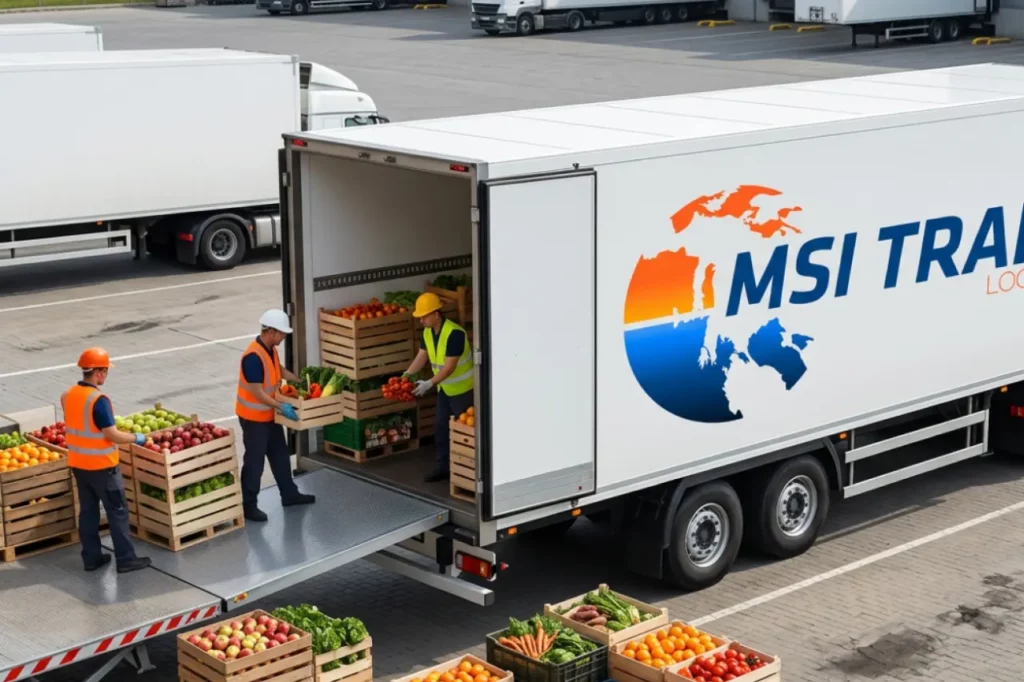
Az élelmiszer- és italipari szállítmányok nemzetközi vámkezelése rendkívül technikai, nagy odafigyelést igénylő folyamatként működik. Élelmiszer- és ital szállítás a határátkelőkön kiemelt szabályozási figyelmet kap, ahol egyetlen hiányzó dokumentum is “vámzavart” okozhat.”
A logisztikai igazgatóknak a következő bonyolultságokat kell kezelniük:
- Növényegészségügyi ellenőrzések A mezőgazdasági termékeket a nemzeti egészségügyi hatóságoknak kell ellenőrizniük a kártevők és betegségek terjedésének megelőzése érdekében.
- Folyosókezelés A nagy frekvenciájú útvonalak, különösen a Törökországot az Egyesült Királysággal, Ausztriával és Magyarországgal összekötő útvonalak, szakértői ismereteket igényelnek a speciális alagút-kódokról és a regionális útvonalszűkítésekről.
- Prioritás törlése: A “zöld folyosók” használata a romlandó áruk szállítására annak biztosítása érdekében, hogy egy 20 tonna friss tejterméket szállító teherautó ne várakozzon a határon nem romlandó ipari rakományokkal együtt.
Egy tapasztalt élelmiszer szállítmányozó biztosítja a szükséges előzetes engedélyezési dokumentációt e torlódások megelőzése érdekében, biztosítva, hogy az áruk “hőmérsékleti élettartama” ne vesszen kárba a vámraktárban.
Mit tartalmaz egy élelmiszer-logisztikai szolgáltatás?
Átfogó élelmiszer logisztikai szolgáltatás egy többmódusú megoldás, amely integrálja a tárolást, kezelést és forgalmazást. Ez egy teljes körű irányítási stratégia, amelyet a speciális igényekre terveztek élelmiszer-szolgáltatási logisztika iparág.
A csúcsminőségűek által nyújtott alapvető komponensek élelmiszer- és itallogisztikai vállalatok beleértve:
- Többhőmérsékletű raktározás: Mélyhűtött, hűtött és szobahőmérsékletű tárolásra alkalmas, elkülönített zónákkal felszerelt létesítmények.
- Értéknövelt szolgáltatások (Value-Added Services - VAS): Speciális címkézéssel, készletezéssel és újra csomagolással együtt a élelmiszeripari logisztika környezetek.
- Végkiárusítási disztribúció Élelmiszertermékek ezreinek kiskereskedelmi végpontokra történő napi leszállításának komplex kivitelezése.
- Készletátláthatóság: Felhőalapú WMS (raktárkezelő rendszer) használata valós idejű kötegelkövetés és FEFO (First Expired, First Out) kezelés biztosítására.
Üzleti célra, ami keres italdisztribúciós vállalat, Ez a szolgáltatás speciális állványokat és automatizált függőleges tárolórendszert is magában foglal a nagy mennyiségű üvegpalackos áruk biztonságos mozgatásához.
Élelmiszer- és Italellátási Lánc Logisztika és Disztribúció
A hatékonysága élelmiszer- és italellátási lánc logisztika a hulladék csökkentésével és a szállítási idők optimalizálásával mérhető. Ez az ágazat “Just-in-Time” (JIT) szállítási modellt igényel a raktári költségek és a termékfrissesség egyensúlyának megteremtéséhez. Élelmiszer- és italforgalmazási logisztika figyelembe kell venni a fogyasztói kereslet magas volatilitását, különösen a szezonális italcsúcsok vagy az ünnepi élelmiszer-rohamok esetén.
A logisztikai menedzsereknek szinkronizálniuk kell:
- Beszerzési logisztika Nyers alapanyagok biztonságos szállítása farmokról az élelmiszergyárakba.
- Disztribúciós logisztika A késztermékek regionális elosztóközpontokba (RDC) irányuló összetett áramlásának kezelése.
- Fordított logisztika A csomagolóanyagok biztonságos ártalmatlanítása vagy újrahasznosítása, valamint az élelmiszervisszárú kezelése az egészségügyi szabályozások betartásával.
Egy robusztus fejlesztése élelmiszer- és italdisztribúciós logisztika Az új modell mély integrációt igényel a gyártó ERP-rendszere és a logisztikai szolgáltató TMS-rendszere között, hogy teljes láthatóságot biztosítson az ellátási lánc minden csomópontján.
Milyen előírások vonatkoznak az élelmiszer-logisztika irányítására?
A szabályozási megfelelőség az “üzemeltetési engedély” az élelmiszeriparban. Élelmiszer-logisztikai menedzsment nemzetközi és nemzeti jogszabályok szigorú hierarchiája szabályozza. E keretek be nem tartása súlyos bírságot, járművek lefoglalását és üzleti engedélyek elvesztését vonja maga után.
Főbb keretrendszerek:
- HACCP (Veszélyelemzés és kritikus szabályozási pontok): Az élelmiszer-ellátási láncban lévő fizikai, kémiai és biológiai kockázatok azonosításának és kezelésének alapvető rendszere.
- FSMA (Élelmiszerbiztonsági Modernizációs Törvény): Szigorú szabványok rendszere, amely az auditokon és az alkalmazottak képzésén keresztül történő proaktív módon minimalizálja a szennyeződést.
- GMP (Helyes Gyógyszergyártási Gyakorlat): Bár gyakran kapcsolódik a gyógyszeriparhoz, a GDP (Good Distribution Practice) szabványokat a hőmérséklet-szabályozás és dokumentáció terén egyre inkább a nagy értékű termékekre is alkalmazzák élelmiszerlogisztika a minőségbiztosítás érdekében.
- Helyi Szabványok: Mint az ISO 22000, amely globálisan elismert keretrendszert biztosít az élelmiszerbiztonsági irányítási rendszerek számára.
Ennek betartása élelmiszertermékekre vonatkozó jó szállítási gyakorlatok kötelező, rendszeres független auditokat, érvényesített járműveket és a vegyi kockázatok azonosításában képzett személyzetet igényel.
Mire figyeljen az élelmiszer- és ital-logisztikai cégeknél?
Partnert választani a sok közül élelmiszer- és itallogisztikai vállalatok egy kritikus stratégiai döntés. A képességek nem egyezése katasztrofális ellátási láncbeli meghibásodásokhoz vezethet. A logisztikai igazgatóknak a potenciális partnereket az alábbiak alapján kell értékelniük:
- Flotta specifikáció: Üzemeltetnek modern hűtőkamionokat független hőmérsékleti zónákkal?
- Láthatósági technológia: Tudnak valós idejű, percenkénti adatlogger jelentéseket biztosítani minden egyes szállítmányról?
- Földrajzi elérés Megvan a bizonyítékokon alapuló múltjuk a mi konkrét útvonalainkon, például Törökországtól az Egyesült Királyságig vagy Németországig?
- Megfelelőségi nyilvántartás: Rendelkeznek aktív HACCP, ISO és GDP tanúsítványokkal?
- Skálázhatóság: Tudja élelmiszerlogisztikai vállalat váratlan forgalomnövekedés kezelése a csúcsidőszakokban a szolgáltatási színvonal veszélyeztetése nélkül?
Egy megbízható élelmiszer logisztikai szolgáltatás mintha minőségellenőrzési osztályod zökkenőmentes meghosszabbítása lennénk, nem csupán egy szállítmányozási szolgáltató.
Miért érdemes az MSI-Trans-t választani az élelmiszerlogisztikai cégek közül?
Az MSI-Trans kiemelkedik a élelmiszerlogisztikai vállalatok egy rendkívül technikai, adatvezérelt infrastruktúrát biztosítunk, amelyet a modern B2B ellátási lánc számára terveztünk. Élelmiszer-rakományát nagy értékű eszközként kezeljük, nem csupán általános teherszállítmányként.
Versenyelőnyeink közé tartoznak:
- Masszív működési kapacitás Több mint 4300 ADR- és GDP-tanúsítvánnyal rendelkező járműből álló flottánkkal mi biztosítjuk a fizikai erőt a hatalmas mennyiségek megbízható szállításához európai határokon át.
- Belső biztonsági auditálás: Minősített élelmiszerbiztonsági tanácsadóink minden szállítmányt auditálnak, biztosítva, hogy minden hőmérsékleti zóna előzetesen validált, és minden rakodási protokoll szigorúan HACCP-kompatibilis legyen.
- Valós idejű hőmérsékleti láthatóság Minden raklapba fejlett IoT adatgyűjtőket építünk be, így ügyfeleinknek 100% átláthatóságot biztosítunk. Valós időben figyelheti szállítmányának hőmérsékletét az Egyesült Királyságtól Törökországig.
- Különleges Folyosó Dominancia Szakértők vagyunk Nyugat-Európa és a Balkán nagy ellenőrzés alatt álló útvonalaiban, biztosítva, hogy az Ön Élelmiszer- és italszállítás elkerüli a tipikus vámakadályokat, amelyek a kisebb fuvarozókat sújtják.
Akár keresel fagyasztott élelmiszer-logisztika vagy speciális ital szállítás, Az MSI-Trans biztosítja a műszaki precizitást, amely logisztikai lánca biztonságához szükséges.
Gyakran Ismételt Kérdések az Élelmiszer- és Itallogisztikáról
Az F&B a logisztikában élelmiszert és italokat jelent.
az élelmiszer- és italipari logisztika az specializált irányítása élelmiszer- és ital-logisztika, amely romlandó és tartós fogyasztási cikkek tárolását és szállítását foglalja magában, szigorúan szabályozott, hőmérséklet-szabályozott körülmények között.
Az élelmiszer-logisztika az élelmiszerek beszerzésének, tárolásának, szállításának és forgalmazásának folyamata a termelőtől a fogyasztóig.
Élelmiszerlogisztika az élelmiszertermékek összehangolt mozgatása a forrástól a fogyasztásig, különös tekintettel az élelmiszerbiztonság, higiénia és termikus integritás fenntartására, speciális szállítási és raktározási megoldások révén.
Hogyan működik az élelmiszerek logisztikája és szállítása?
Egy folyamatos hidegláncon keresztül működik, ahol az árut hűtött járművekben (hűtős teherautók) szállítják, valós idejű érzékelők figyelik, és szigorú higiéniai protokollok szerint kezelik, amelyeket a HACCP és az FSMA előírásai határoznak meg.
Az élelmiszerek csomagolási tippjei a romlandó élelmiszerek logisztikájában:
Hatékony élelmiszer- és ital-logisztika szigetelt raklap szállítók, fázisátalakító anyagok (PCM) és speciális hőtakarók használatát igényli a rakomány védelme érdekében a be- és kirakodás “kritikus expozíciós pontjai” során.
A hideglánc logisztikai megoldások az élelmiszeriparban
Ezek a megoldások magukban foglalják az aktív mechanikai hűtést az FTL szállításokhoz, a passzív termál csomagolást kisebb csomagokhoz, valamint a valós idejű telematikai rendszereket, amelyek folyamatos adatnyomot biztosítanak a rakomány termikus környezetéről.
A helyi logisztikai vállalatok használatának előnyei az élelmiszerszállításban
Helyi élelmiszerlogisztikai vállalatok mélyreható ismereteket kínál a regionális infrastruktúráról és szokásokról, a “Zöld Sávokat”, biztosítva a gyorsabb tranzitidőt és a hatékonyabb utolsó mérföldes kiszállítást összetett városi környezetben.
Mi az élelmiszer-ellátási lánc menedzsment és logisztika?
Ez az ellátási lánc végponttól végpontig tartó integrációja, amely magában foglalja a beszerzést, a termelést, a tárolást és a forgalmazást, és arra szolgál, hogy minimalizálja a hulladékot, és biztosítsa az élelmiszertermékek biztonságos eljuttatását a globális fogyasztói piacra.
Hogyan különböznek a logisztikai megoldások az élelmiszer- és italiparban a terméktípus szerint?
A megoldásokat a termék “Hőmérsékleti kockázati profilja” alapján testreszabják. A fagyasztott áruk mélyhűtési beállításokat (-18°C) igényelnek, míg a friss termékek és italok hűtött (+4°C) vagy kontrollált szobahőmérsékletű (+15°C) környezetet használnak.
Az MSI-Trans nyújt élelmiszer- és ital-logisztikai szolgáltatásokat Európa-szerte?
Igen, az MSI-Trans átfogó élelmiszer- és italjellegű logisztikai szolgáltatások európában, különös tekintettel a Törökországot, az Egyesült Királyságot, Ausztriát és Magyarországot összekötő nagy forgalmú útvonalakra.
Hogyan kérhetnek ételszállítási árajánlatot a vállalkozások az MSI-Trans-től?
Az MSI-Trans műveleti osztályát közvetlenül is felkeresheti a szállítási volumennel, hőmérsékleti előírásokkal és útvonal részleteivel kapcsolatban, hogy adatvezérelt, versenyképes árajánlatot kapjon, amely az Ön üzleti igényeihez igazodik.